
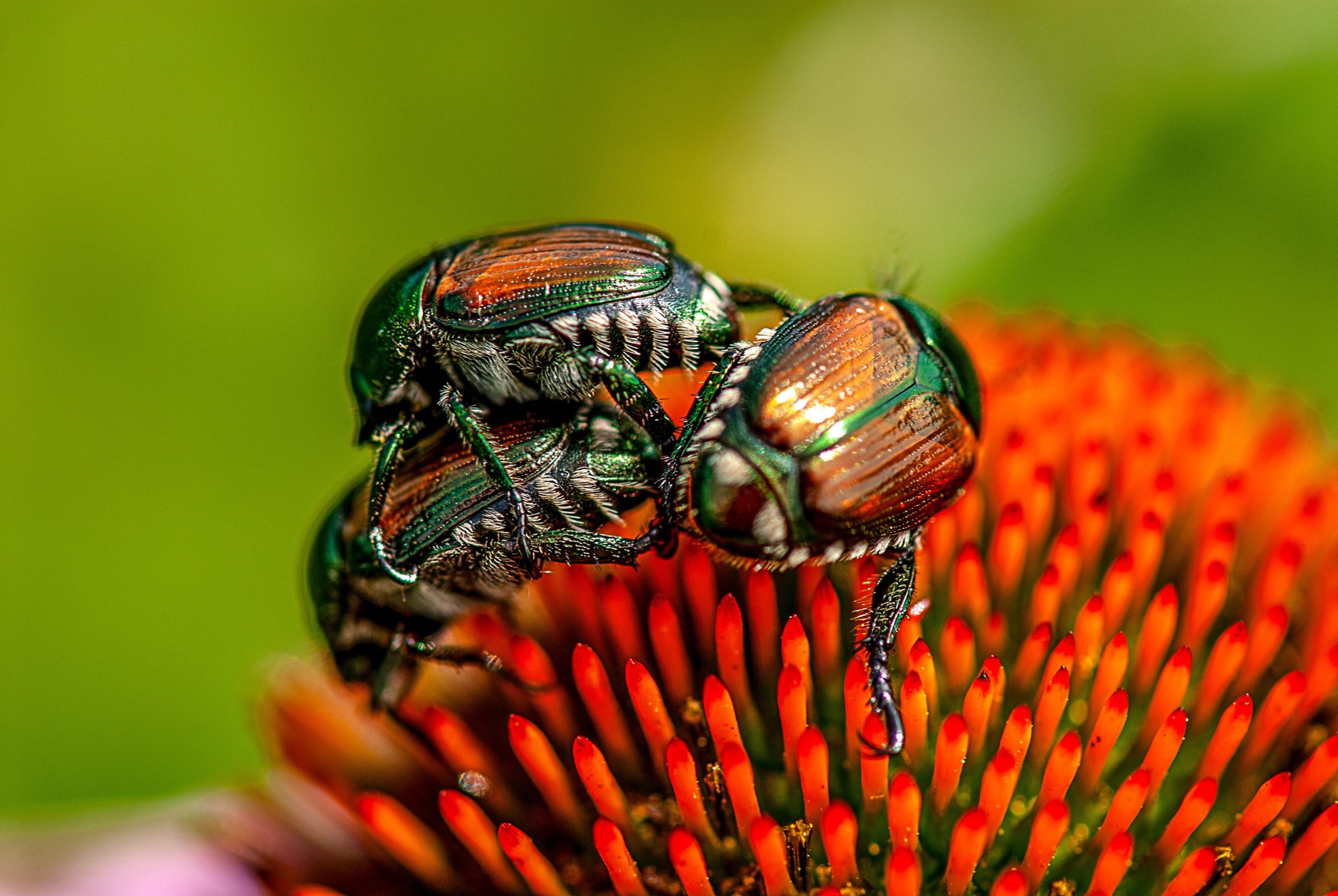
Japanese Beetles: Effective Management Strategies to Protect Your Plants
Japanese beetles (Popillia japonica) are invasive pest insects that pose a significant threat to a wide variety of plants and crops. Native to Japan, these beetles were accidentally introduced to the United States in the early 20th century, likely through imported plant material.
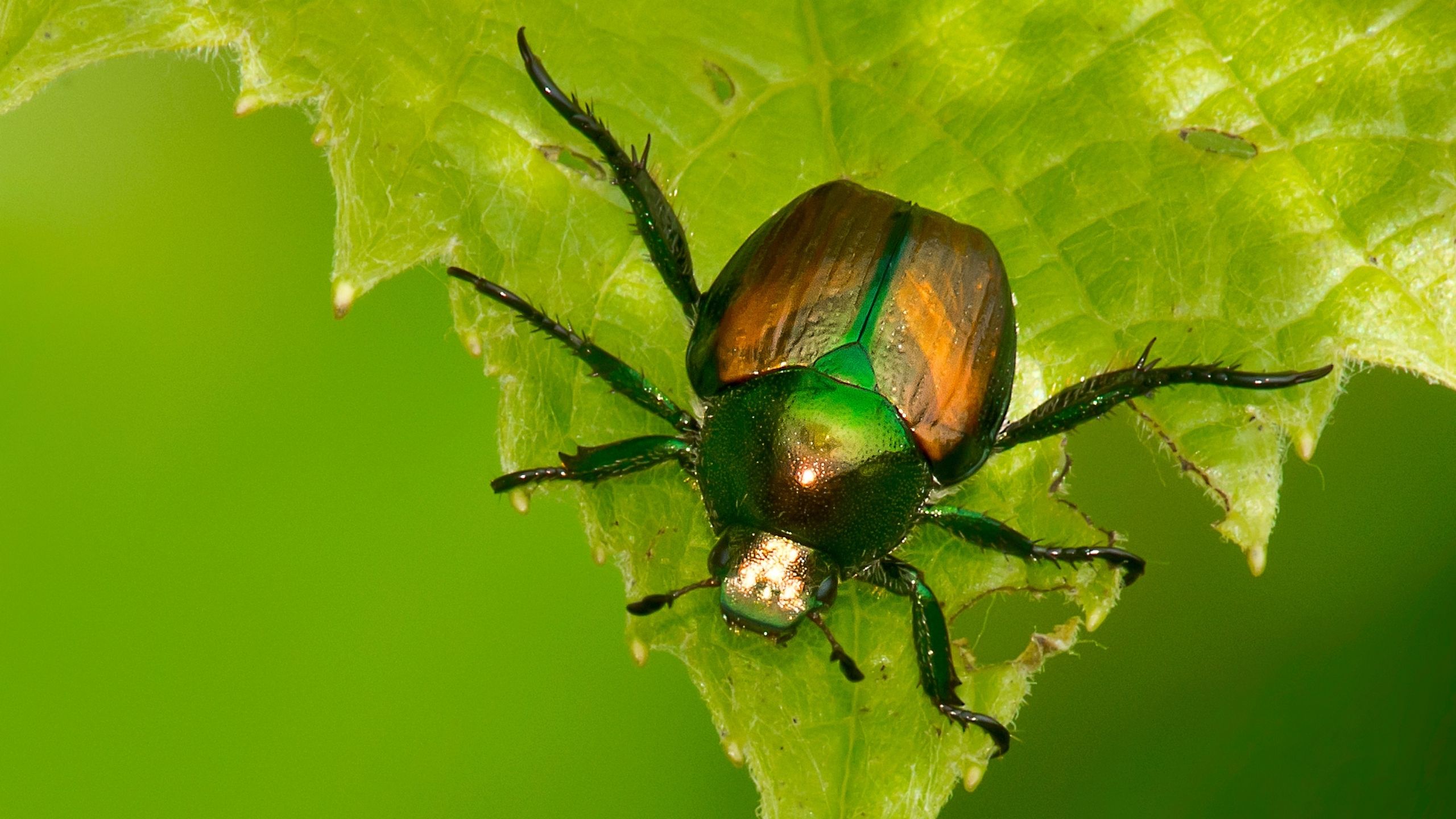
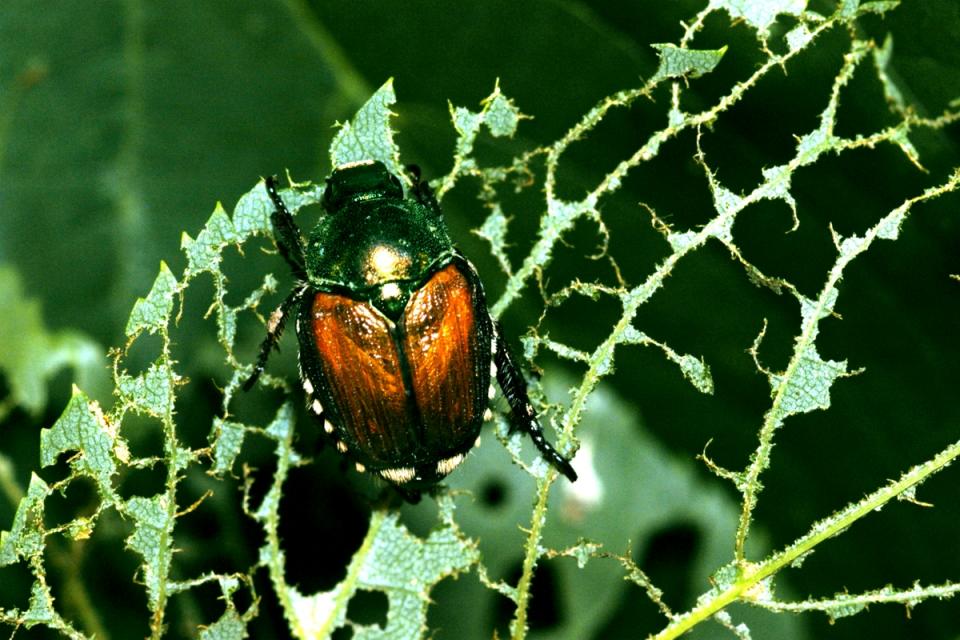
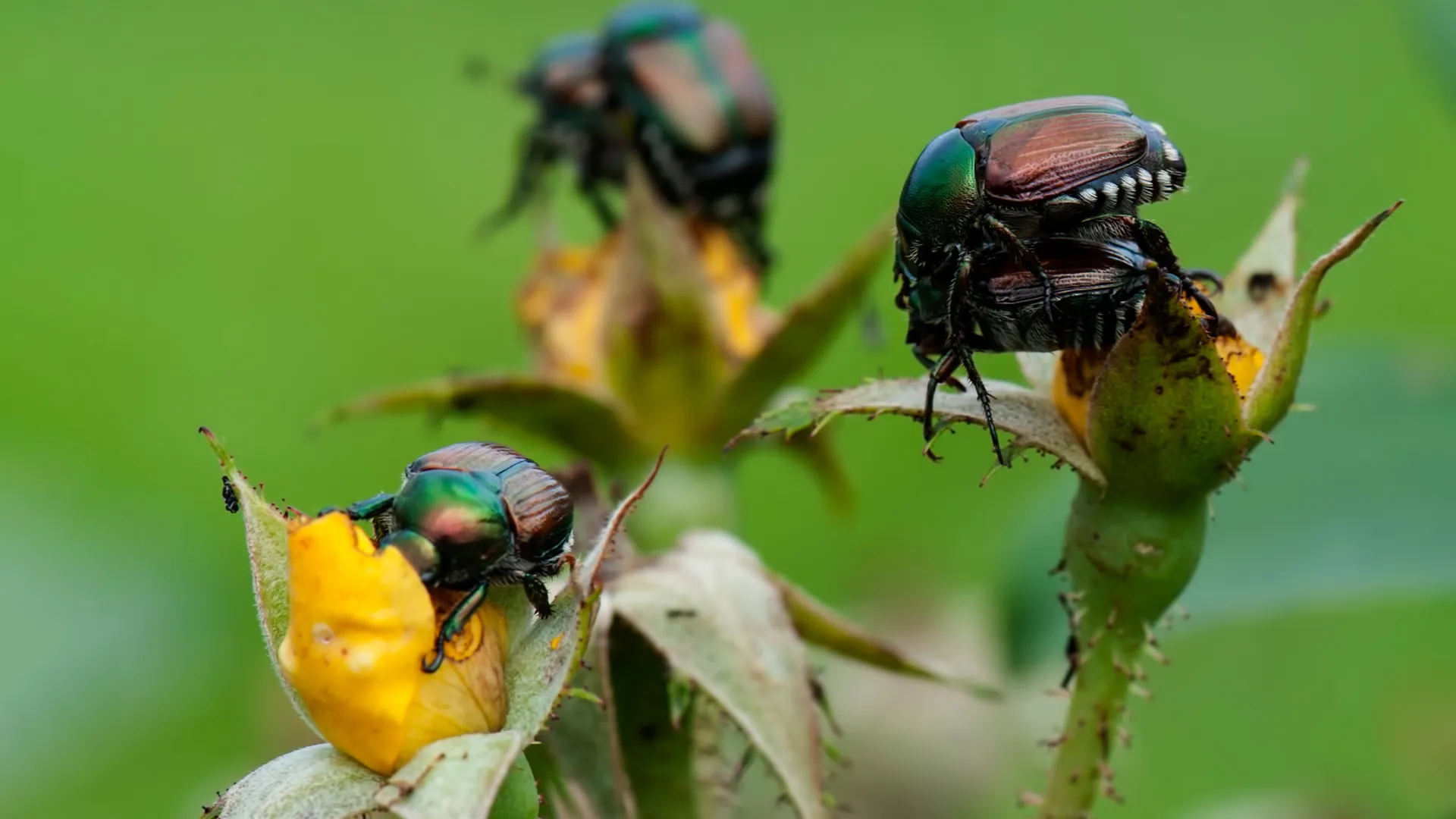
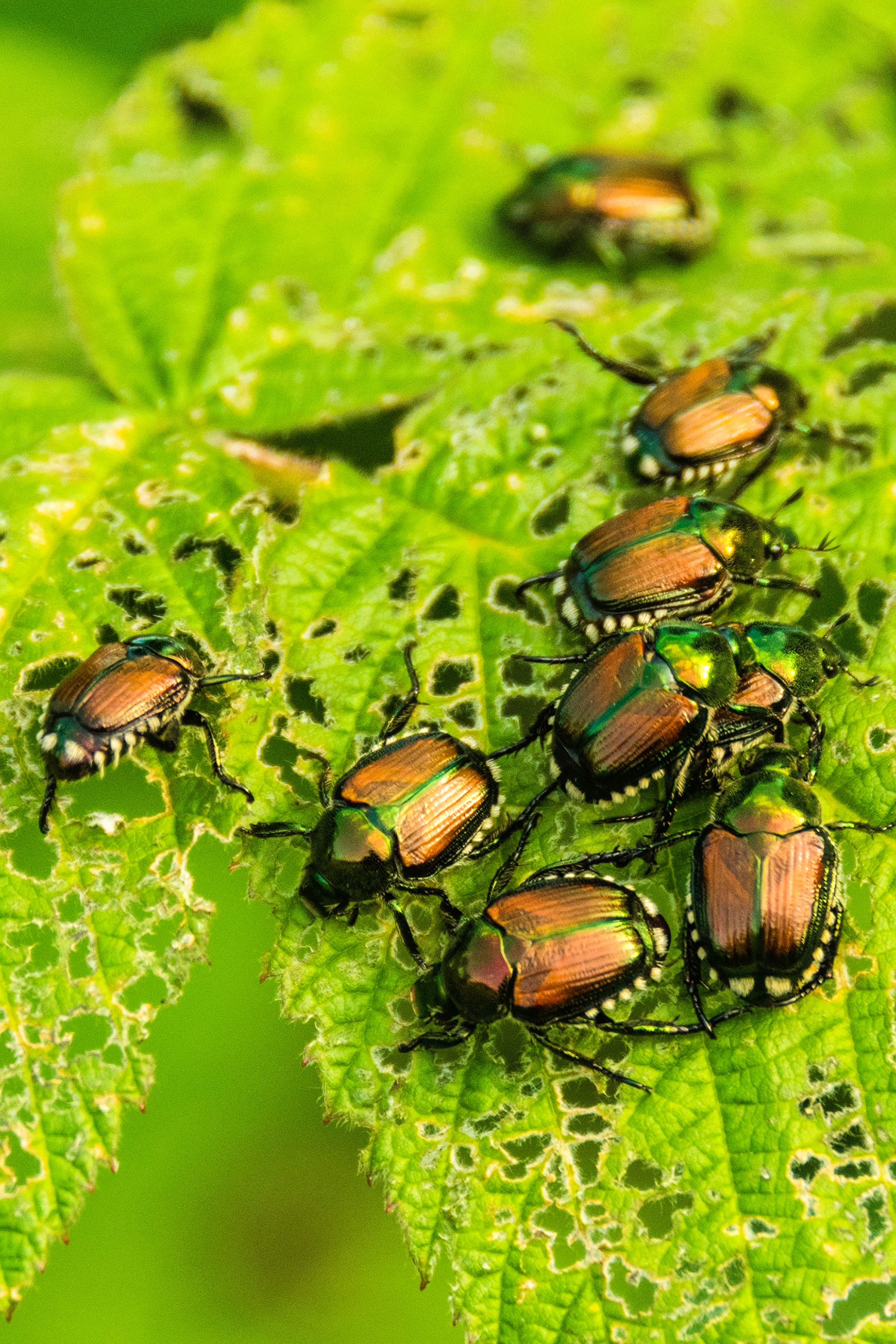
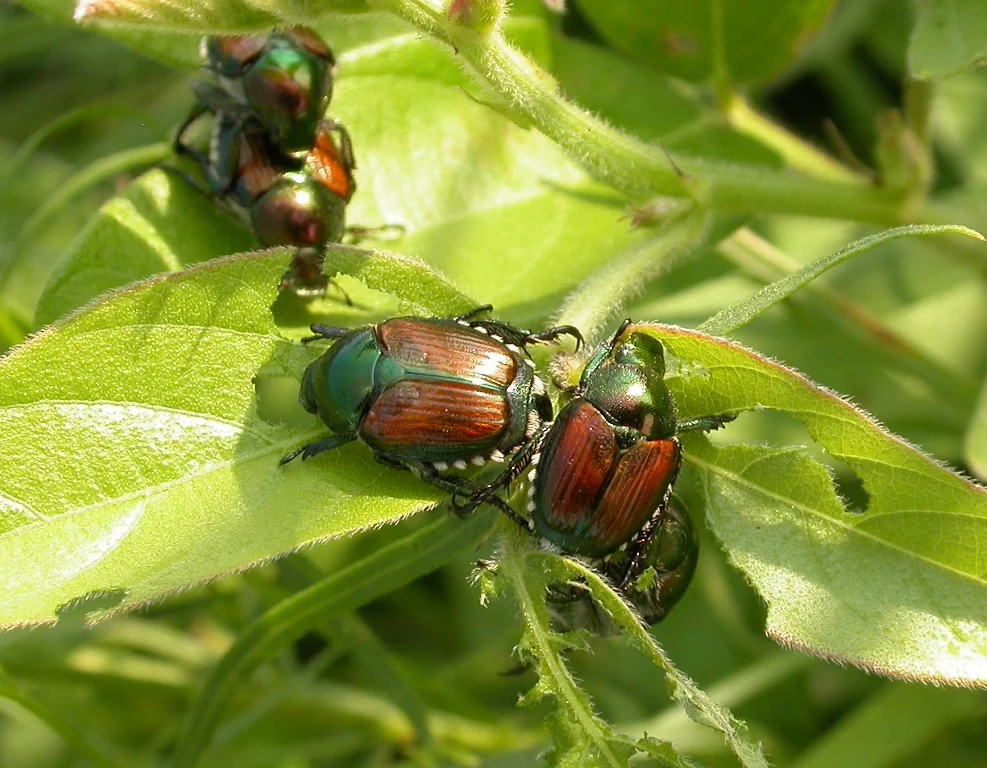
Recognizable by their distinctive metallic green and copper-colored bodies, Japanese beetles are approximately half an inch long and feature six small white tufts of hair along each side of their abdomen, along with unique white patches on their wing covers.
These beetles are notorious for their voracious feeding habits, capable of damaging over 300 different plant species, including roses, grapes, fruit trees, vegetables, and ornamental plants. They often feed in groups, skeletonizing leaves by consuming the tissue between the veins, which can severely weaken and damage the plants. Additionally, their feeding can make plants more vulnerable to diseases and other pests.
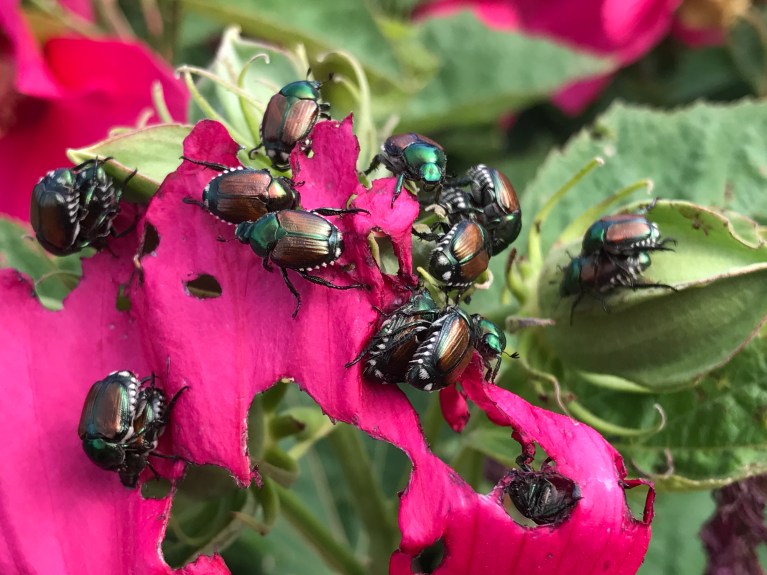
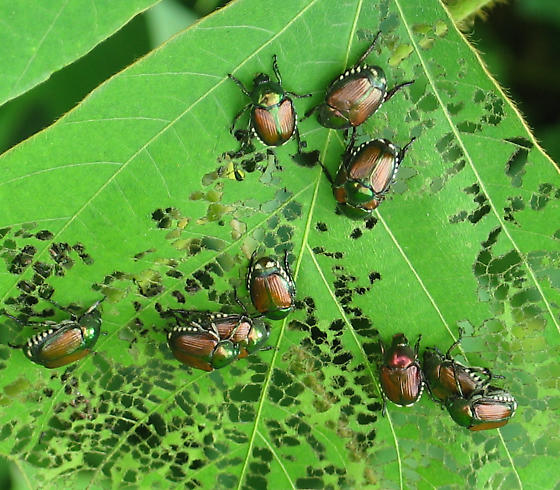
Controlling Japanese beetle populations can be challenging due to their aggressive feeding behavior and the limited presence of natural predators in many areas. Various methods to manage Japanese beetles include:
- Handpicking: Physically removing beetles from plants and placing them in a container of soapy water.
- Traps: Special traps designed to attract and capture adult Japanese beetles using pheromones or floral scents. However, these traps can sometimes draw even more beetles to the area.
- Chemical Pesticides: Insecticides can be employed to eliminate adult beetles, but it is crucial to follow instructions and select environmentally responsible products.
- Biological Controls: Natural predators such as parasitic wasps, birds, and other insects can help reduce Japanese beetle populations.
- Cultural Practices: Planting less attractive plants, adjusting irrigation methods, and timing plantings to avoid peak beetle activity are effective strategies.
- Chemical Treatments: Insecticides can be applied to deter beetles from feeding on plants, but this approach should be used judiciously to minimize environmental impact.
Managing Japanese beetles typically requires a combination of these methods for optimal effectiveness. Vigilance is key to addressing their presence before they can inflict significant damage on plants and crops.
Leave a Reply
You must be logged in to post a comment.