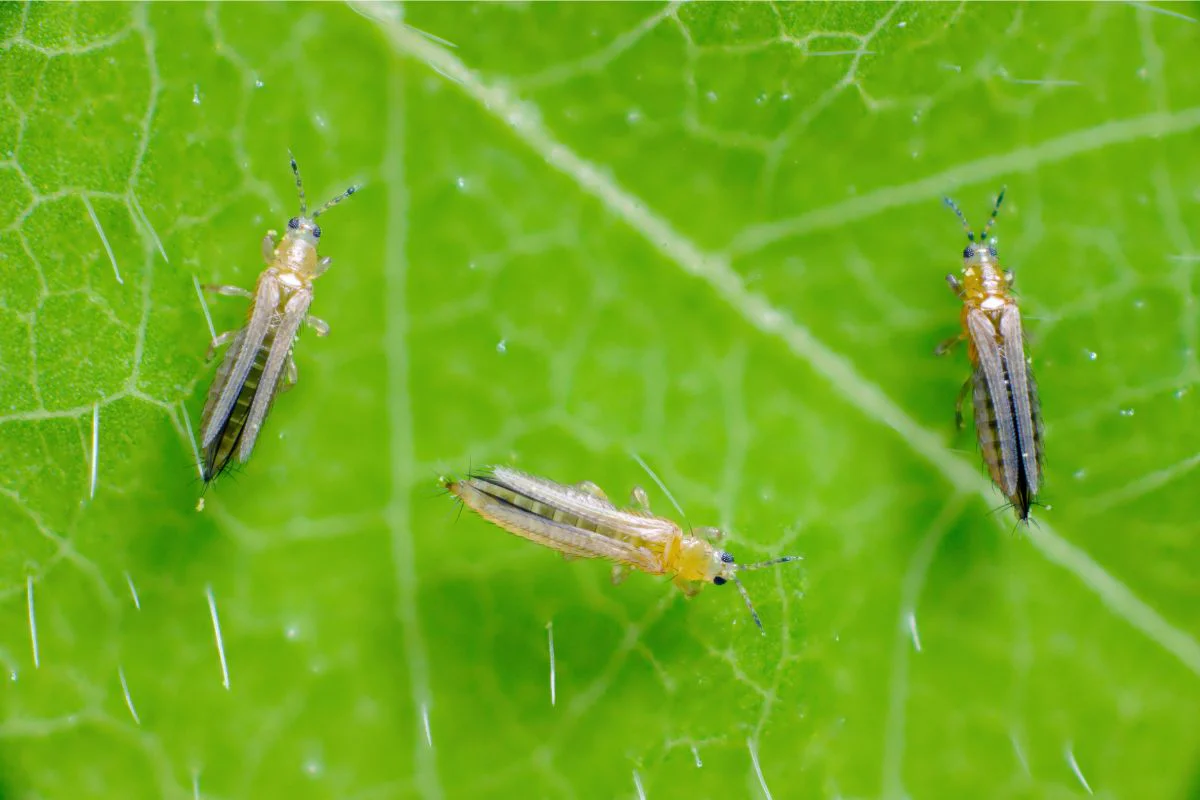
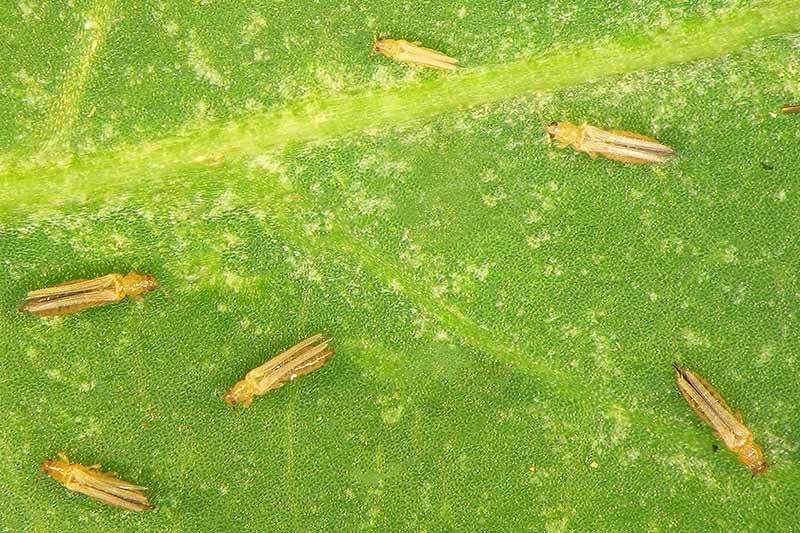
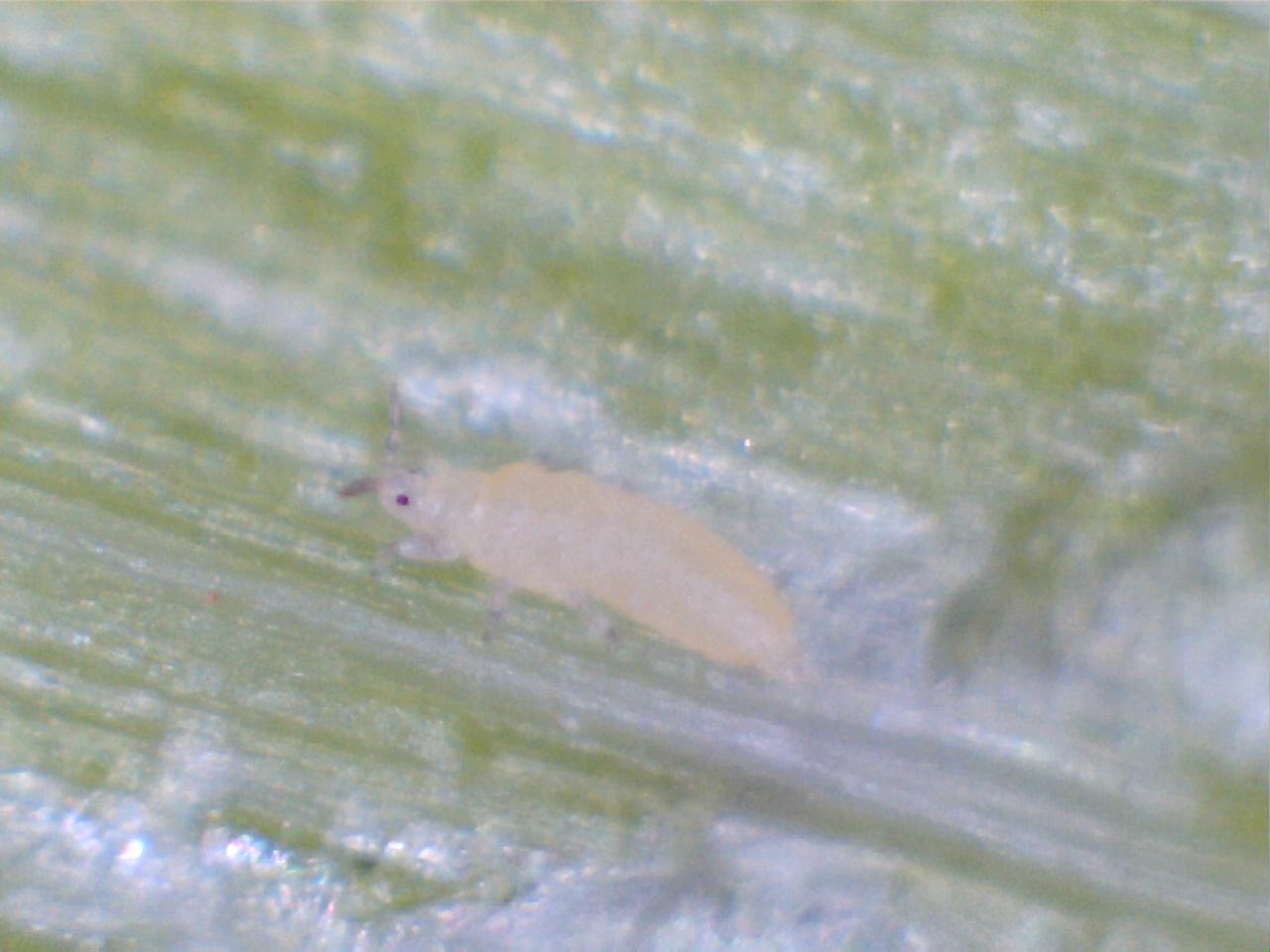
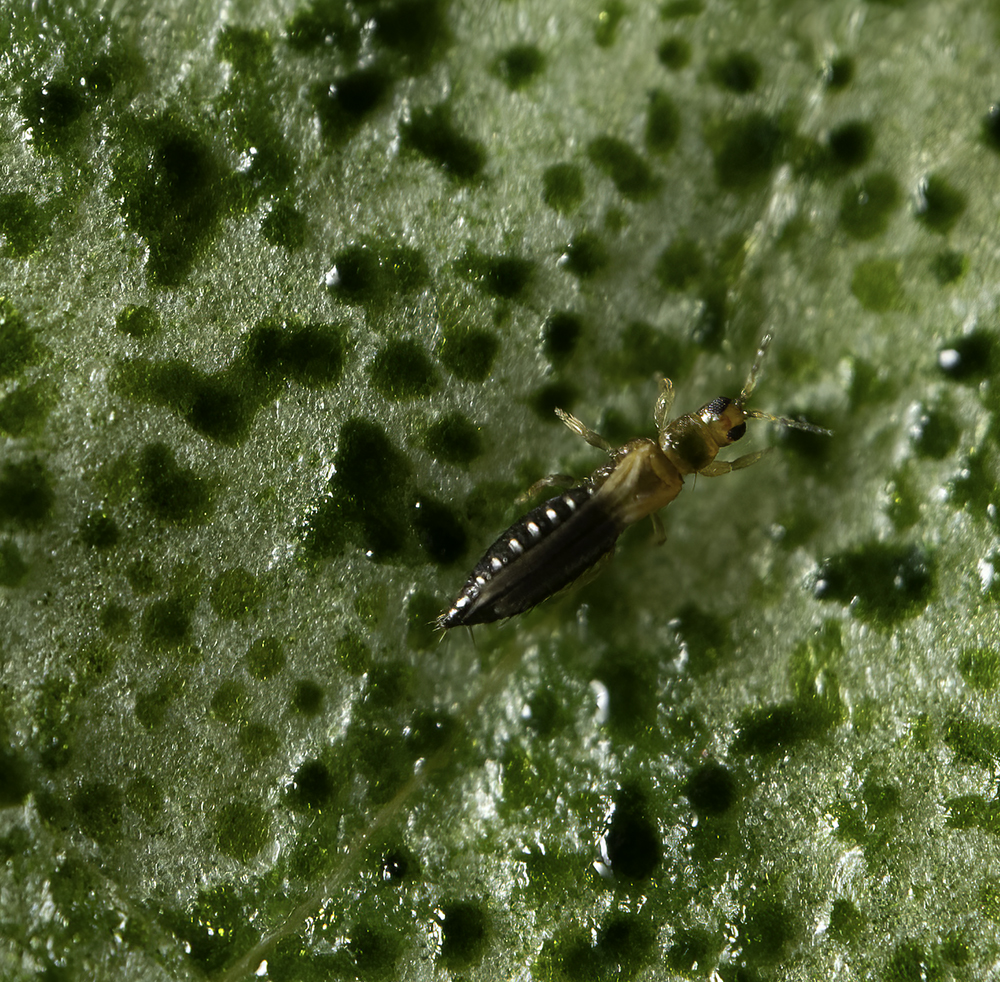
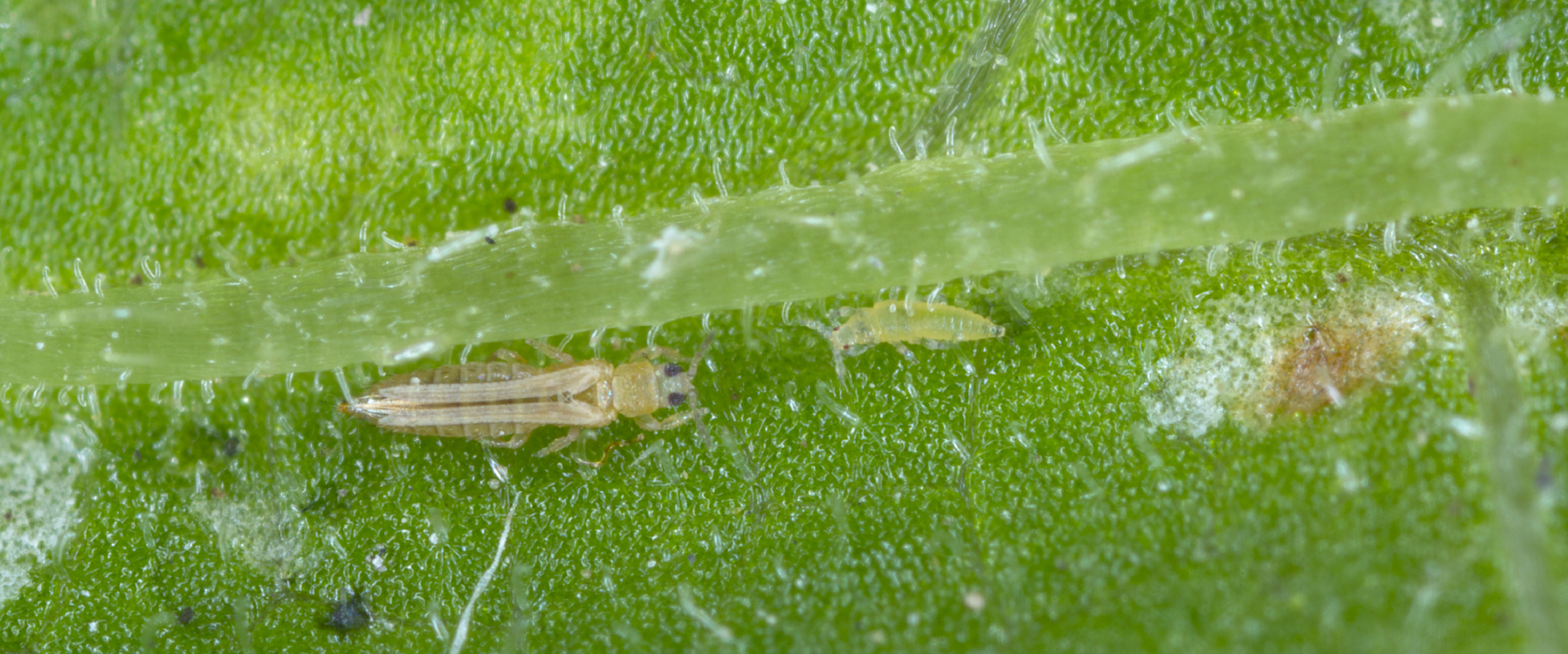
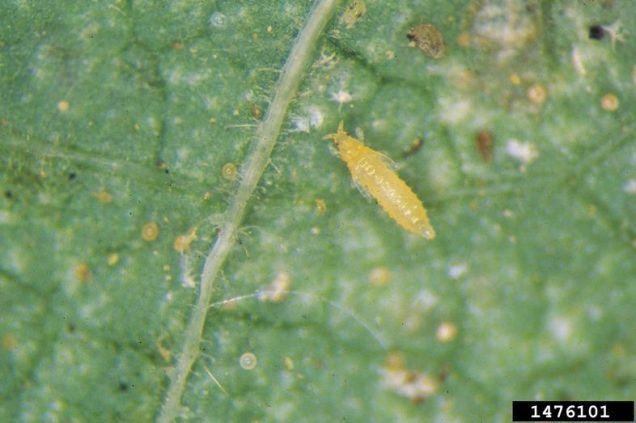
Thrips (singular: thrips) are tiny, slender insects belonging to the order Thysanoptera. They are known for their small size, usually ranging from 1 to 2 millimeters in length, and their elongated, slender bodies. Thrips are found all over the world and can be both pests and beneficial insects, depending on the context.
Thrips have rasping-sucking mouthparts that they use to pierce plant tissues and feed on the sap within. This feeding behavior can cause damage to plants, including stunted growth, distorted leaves, and reduced yield in crops. Some thrips species are agricultural pests that can harm a wide range of plants, including vegetables, fruits, flowers, and ornamental plants.
In addition to being pests, certain thrips species can also be beneficial in certain ecosystems. Some species feed on other insects and mites, making them natural predators that help control pest populations. These predatory thrips are often used in integrated pest management strategies to reduce the use of chemical pesticides.
Thrips are known for their ability to transmit plant diseases, making them even more significant as pests. They can pick up viruses from infected plants and transfer them to healthy ones as they feed. This makes them a vector for various plant diseases, which can have serious economic and agricultural implications.
Overall, thrips play diverse roles in ecosystems, ranging from pollinators to pests and predators. Effective management of thrips populations requires an understanding of the specific species present, their behaviors, and their impact on the plants and crops they interact with.



Leave a Reply
You must be logged in to post a comment.