
Peach Twig Borer: Damage and Control Strategies for Apricot Trees
The peach twig borer (Anarsia lineatella) is a significant pest that targets apricot trees, as well as other stone fruit trees like peaches, nectarines, and plums. This pest, particularly harmful in orchards, is a moth whose larvae are responsible for the damage to the trees and fruits.
Key characteristics of the peach twig borer and its impact on apricot trees:
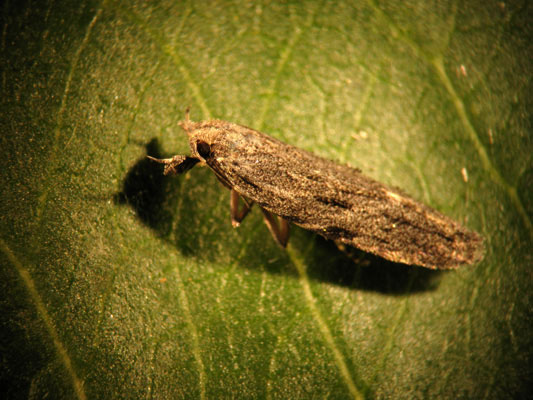
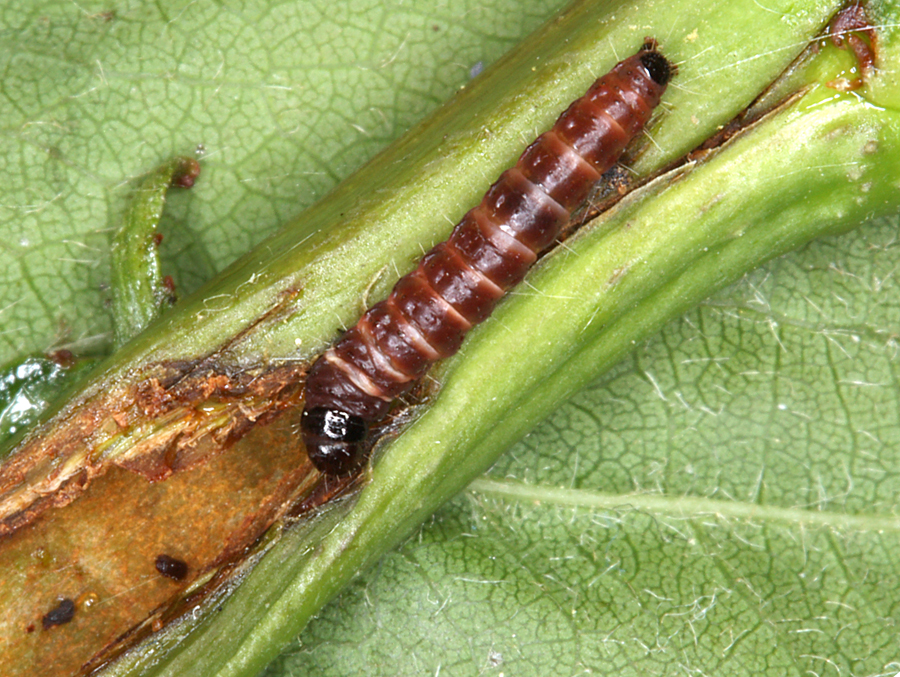
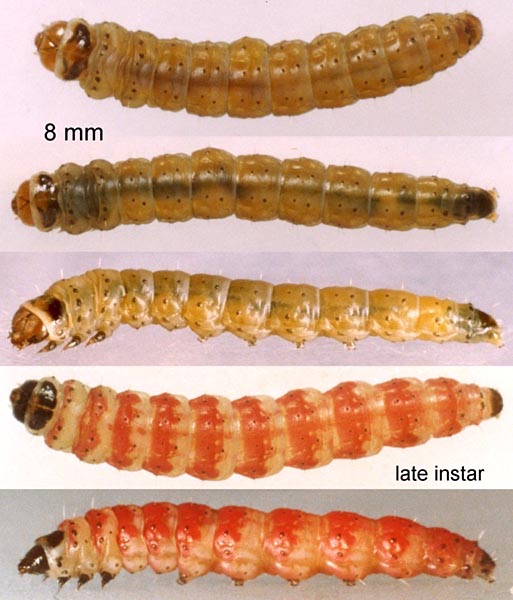
Appearance: The adult peach twig borer moth is small, about 1/4 inch (6 mm) long, with grayish-brown or mottled wings and dark lines. The larvae, which cause the damage, are small caterpillars under 1 inch (2.5 cm) long, with a pinkish or cream body and a brown head.
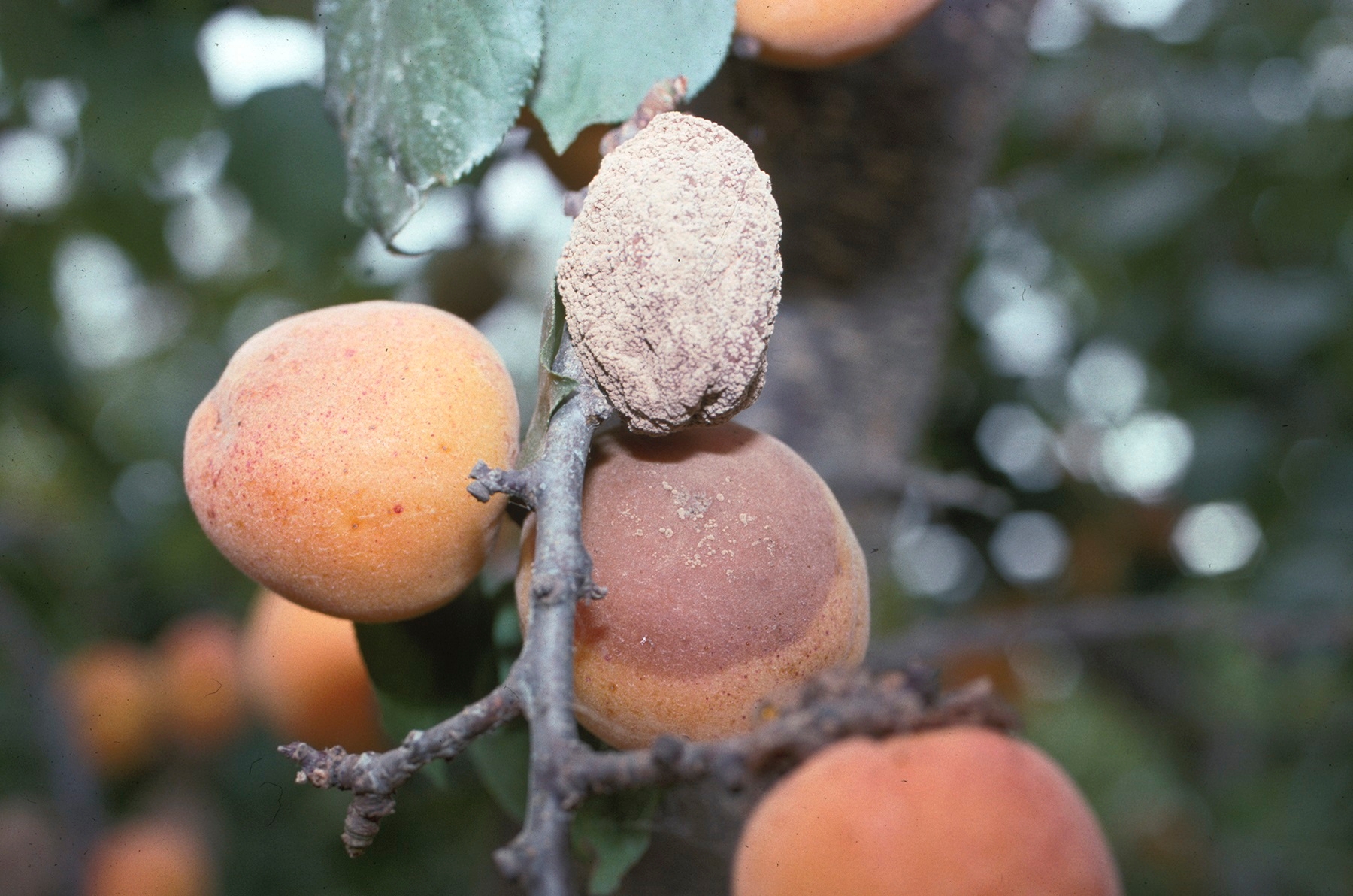
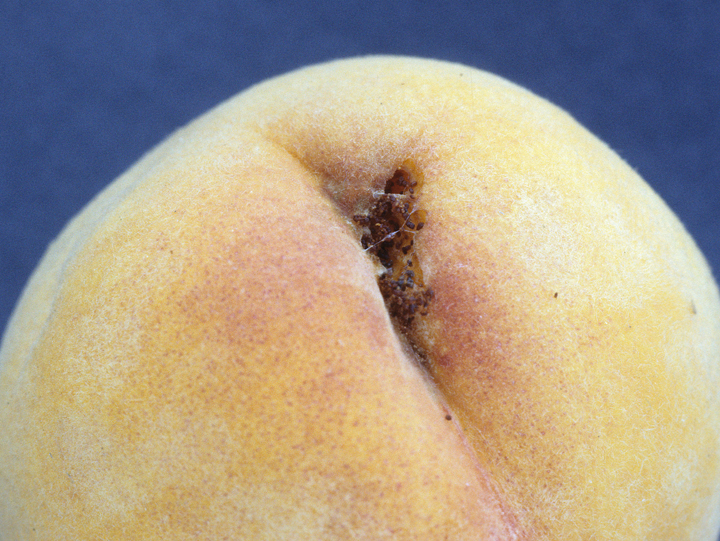
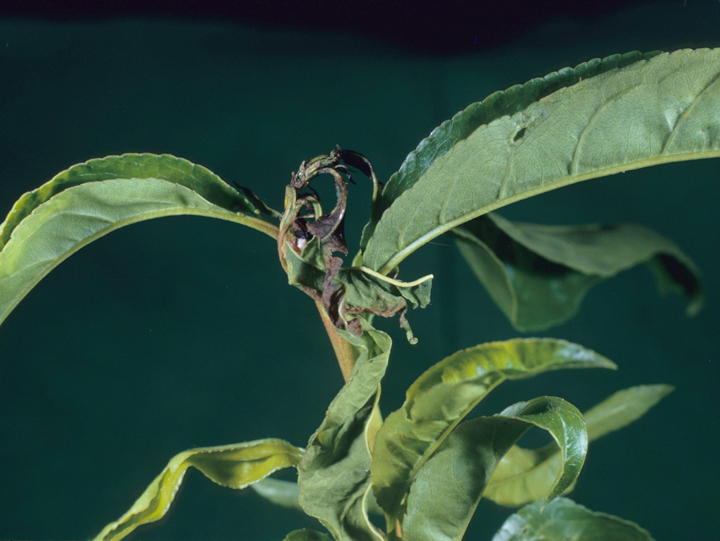
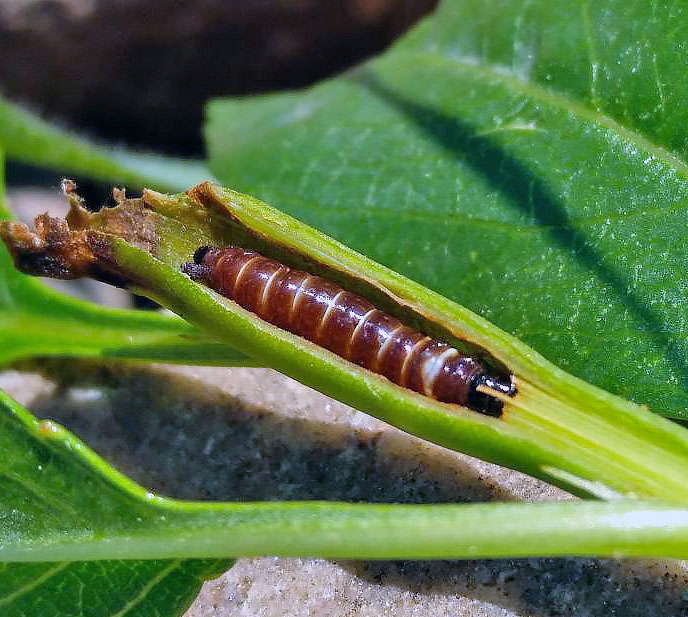
Damage: The larvae burrow into the shoots, twigs, and fruit of apricot and other stone fruit trees. They create tunnels inside the tree tissue, leading to weakened shoots, wilting, dieback, and fruit damage such as scarring, gumming, or rotting. Infested fruit may be rendered unmarketable.
Life Cycle: The peach twig borer undergoes complete metamorphosis, moving through egg, larva, pupa, and adult stages. Female moths lay eggs on the leaves and fruits of host trees, and larvae hatch to feed on tree tissues. After feeding and growing, the larvae pupate and emerge as adult moths, continuing the life cycle.
Control Methods: Managing peach twig borer infestations in apricot trees often requires cultural, biological, and chemical methods. Strategies include pruning and removing infested plant material, monitoring adult moths with pheromone traps, and applying insecticides at critical points in the life cycle, particularly during larval feeding stages.
Timing: Effective control depends on careful timing, as larvae are most vulnerable when feeding actively. Proper timing of pesticide application to match the larval stage is key to successful management.
The peach twig borer poses a significant economic threat to apricot growers if not controlled properly. Integrated Pest Management (IPM) is often used to minimize damage while reducing reliance on chemical pesticides. IPM strategies include monitoring pest populations, using natural predators and parasites, and implementing cultural practices to reduce the borer’s presence in orchards.
Leave a Reply
You must be logged in to post a comment.