
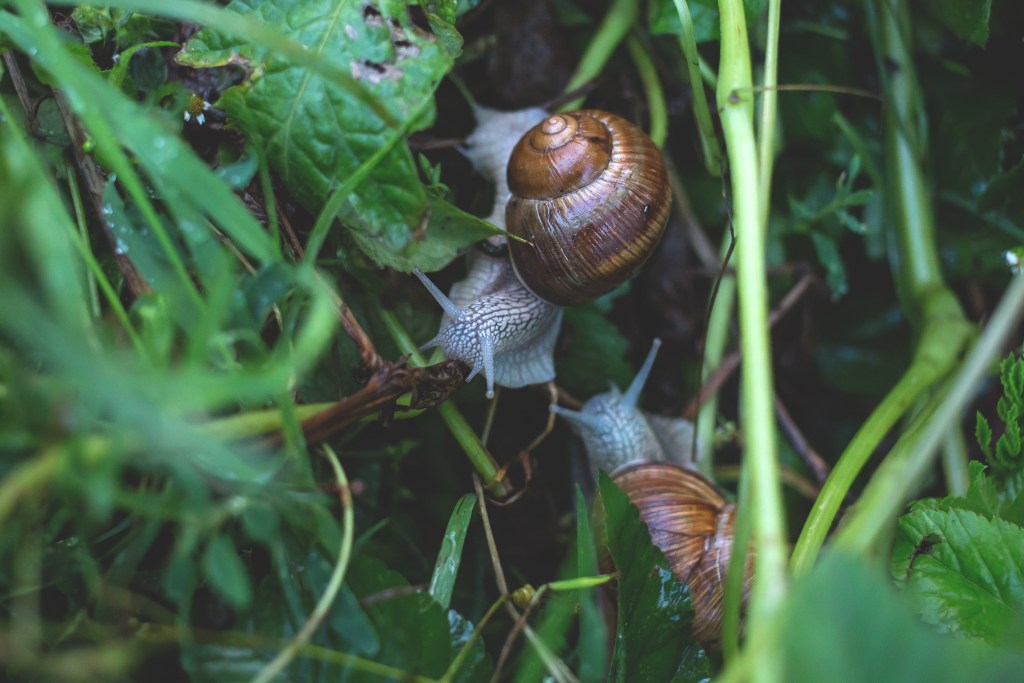
Preventing Snail and Slug Damage in Broccoli
Snails and slugs are gastropod mollusks that can be considered pests in various agricultural and gardening contexts due to their feeding habits and reproductive capabilities.
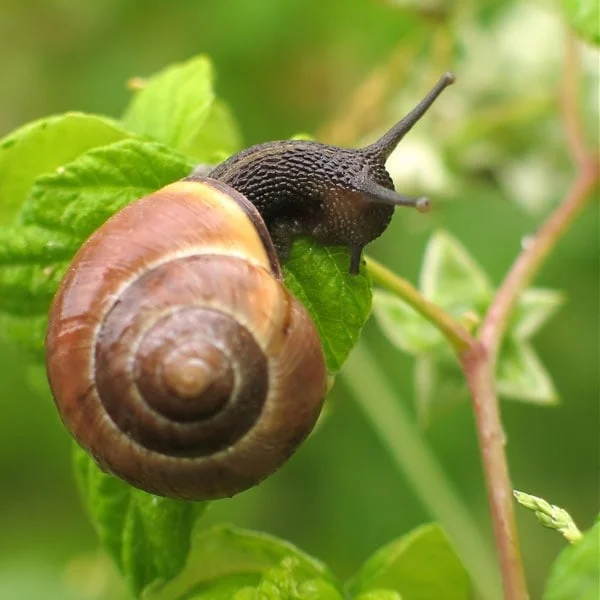
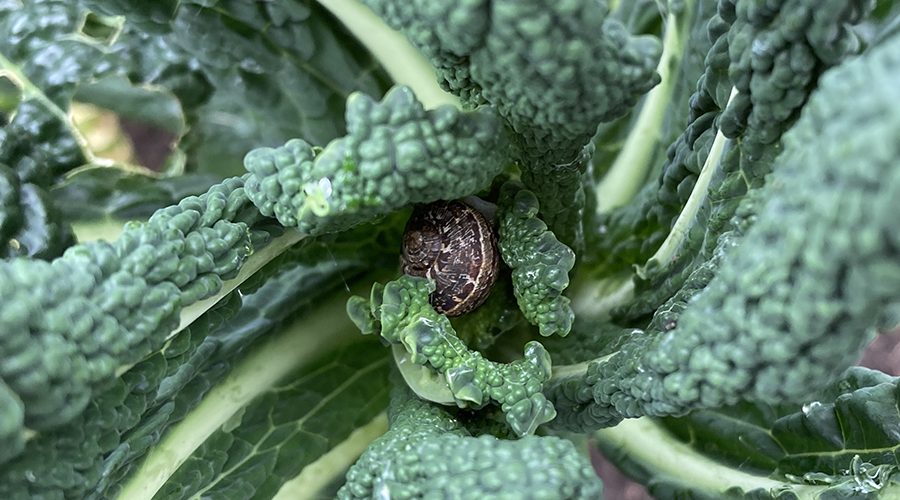
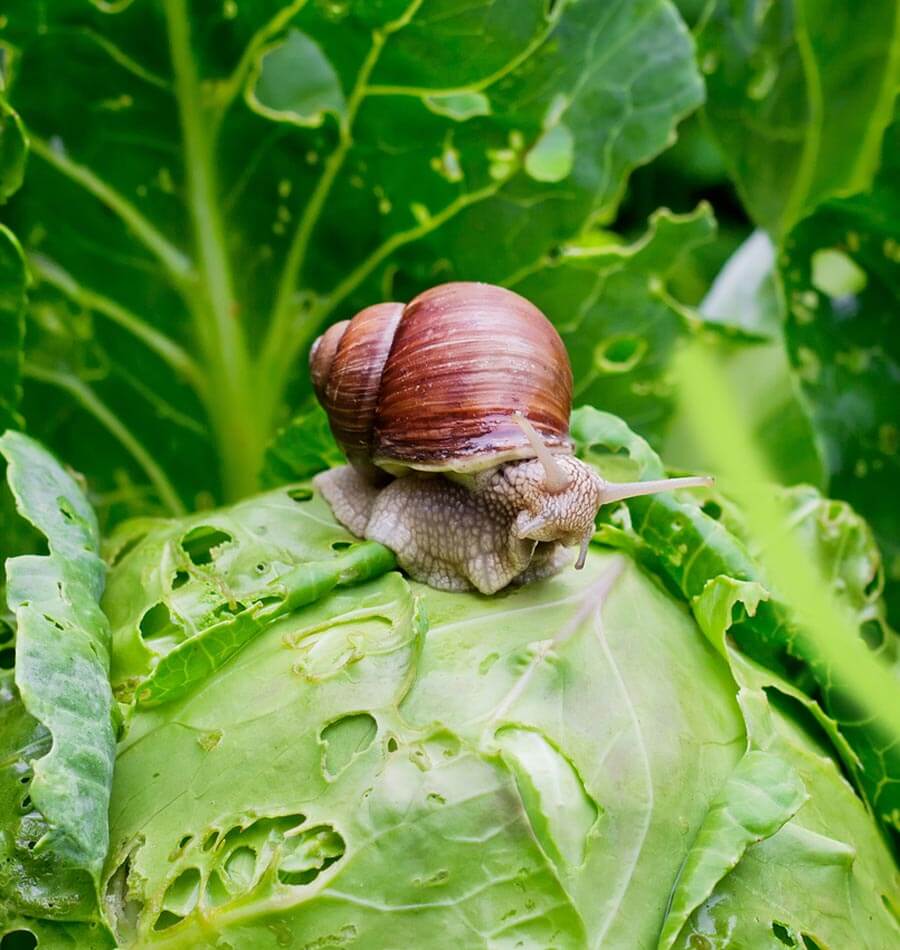
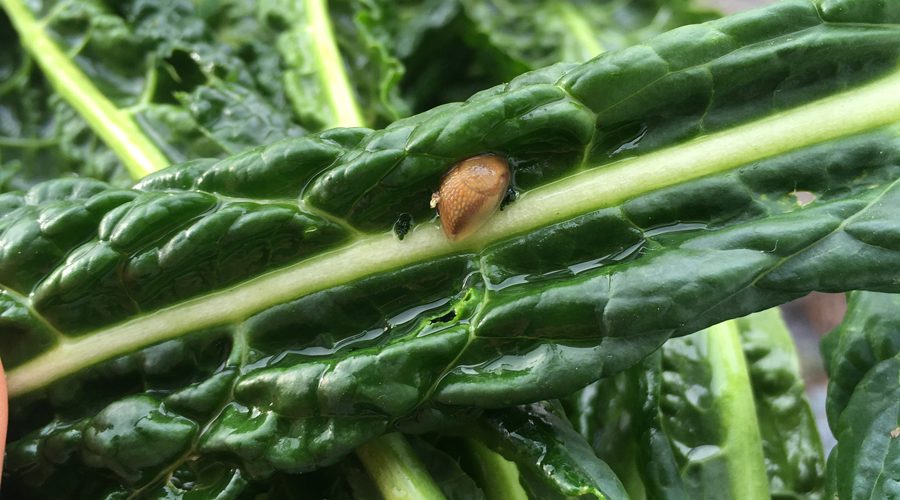
Here are some reasons why they are often considered pests:
- Feeding on plants: Snails and slugs are herbivores that feed on a wide range of plants, including vegetables, fruits, ornamental plants, and agricultural crops. They can damage plants by consuming leaves, stems, and fruit, which can lead to reduced crop yields and aesthetic damage in gardens and landscapes.
- Nocturnal feeding: Many snails and slugs are nocturnal, which means they are active at night. This makes it challenging for gardeners and farmers to detect and control them, as they often go unnoticed until damage has already occurred.
- Mucus trails: Snails and slugs leave behind a slimy mucus trail as they move. This trail can be unsightly and can also damage the appearance of plants and garden surfaces.
- Reproduction: Snails and slugs are prolific reproducers. They lay eggs in damp, sheltered locations, and a single individual can produce hundreds of eggs in a season. This high reproductive rate can lead to rapid population growth and increased damage to plants.
- Moisture dependence: Snails and slugs require moisture to survive. They are often found in damp or wet environments, which can make them particularly problematic in areas with high humidity or frequent rainfall.
- Lack of natural predators: In some regions, the natural predators of snails and slugs may be scarce or ineffective at controlling their populations. This can allow pest populations to thrive.
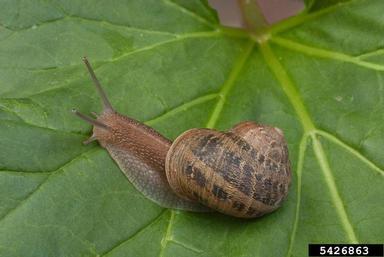
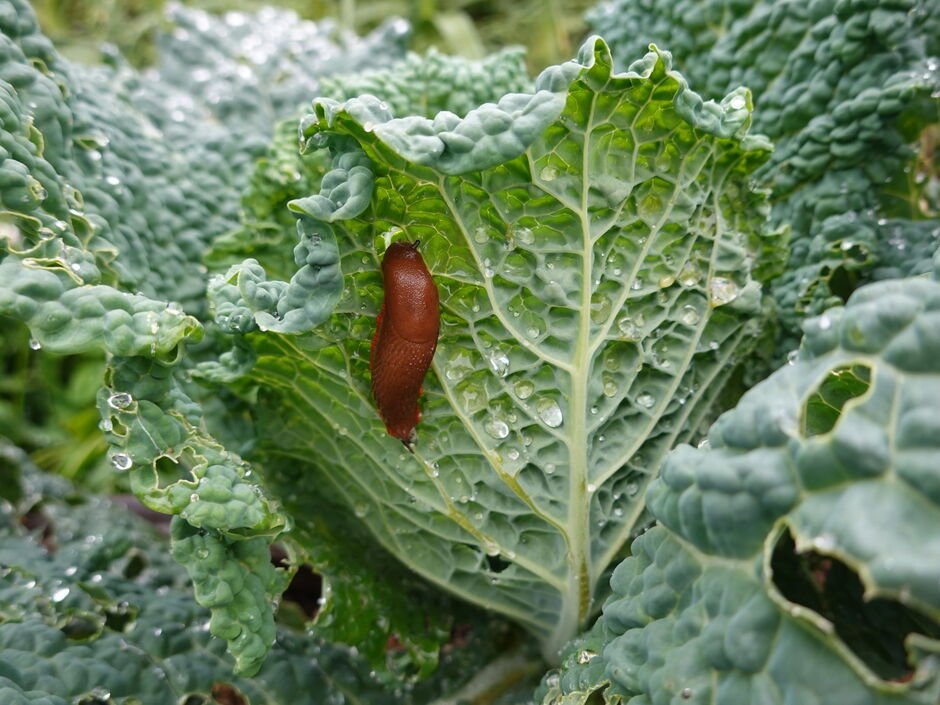
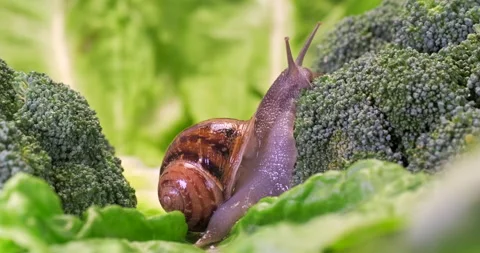
To manage snails and slugs as pests, various control methods can be employed. These include hand-picking, using traps, applying barriers like copper tape, using chemical baits, and employing natural predators such as ducks and some types of beetles. Additionally, maintaining a clean and dry garden environment can help reduce their habitat and make it less favorable for these pests.
Leave a Reply
You must be logged in to post a comment.