
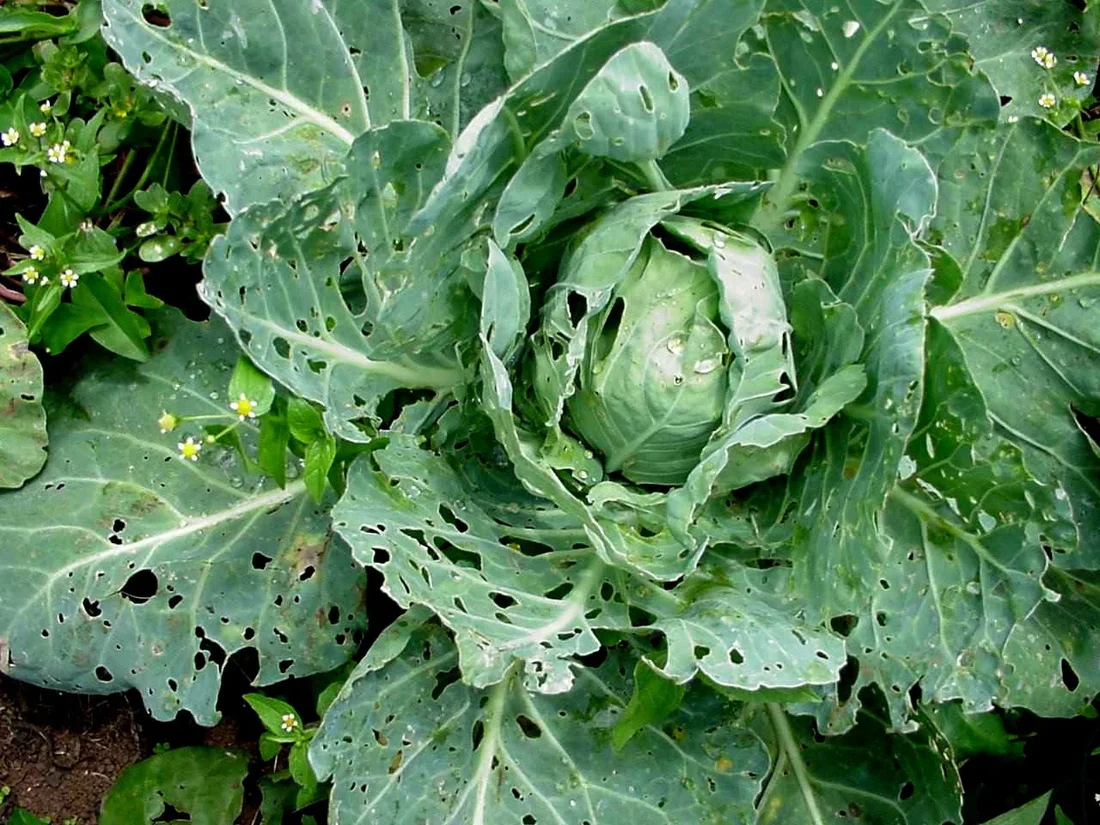
Common Cabbage Pests and Solutions
Cabbage, like many other plants, can be susceptible to various pests that can damage or destroy the crop if not managed effectively.


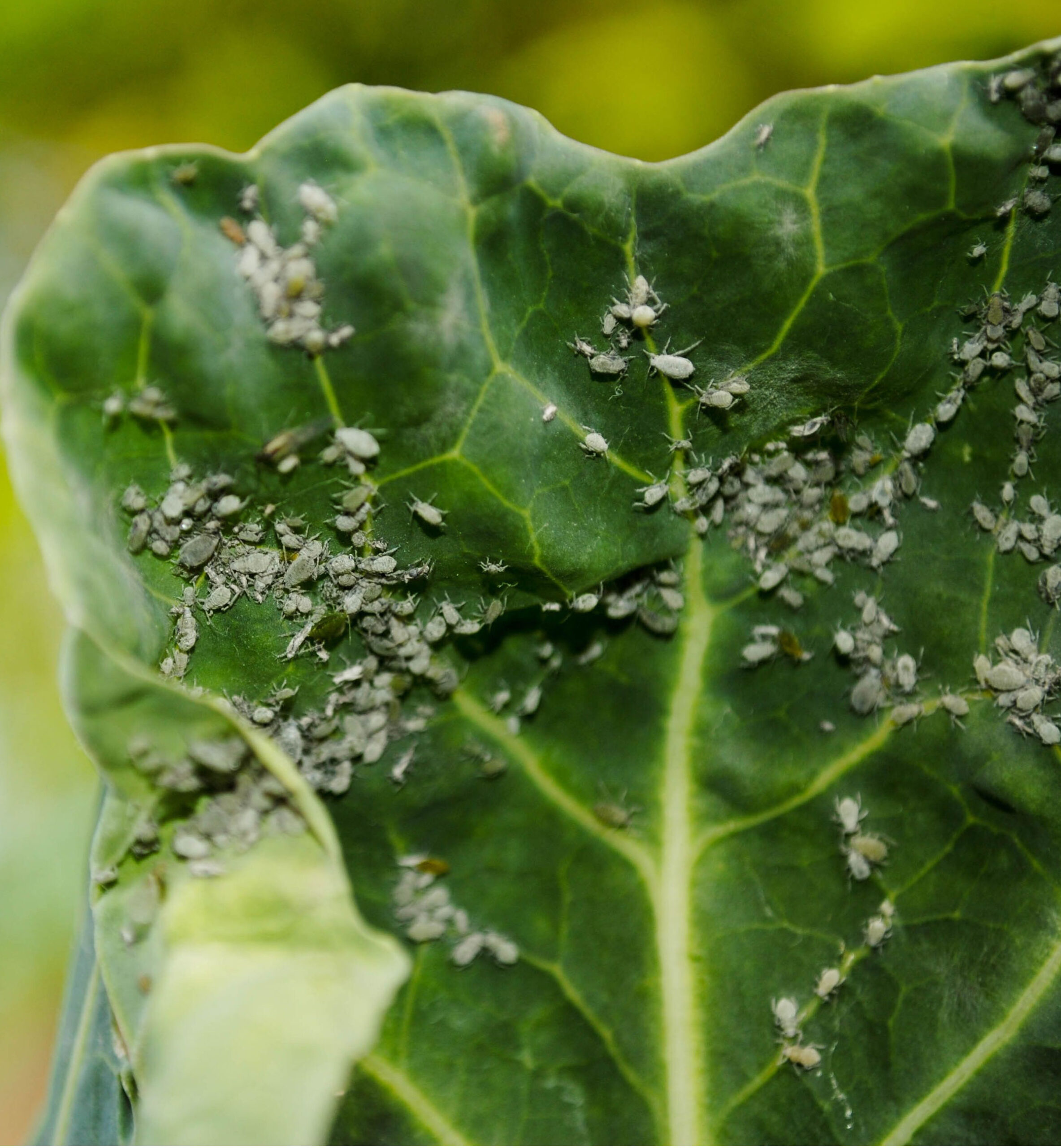
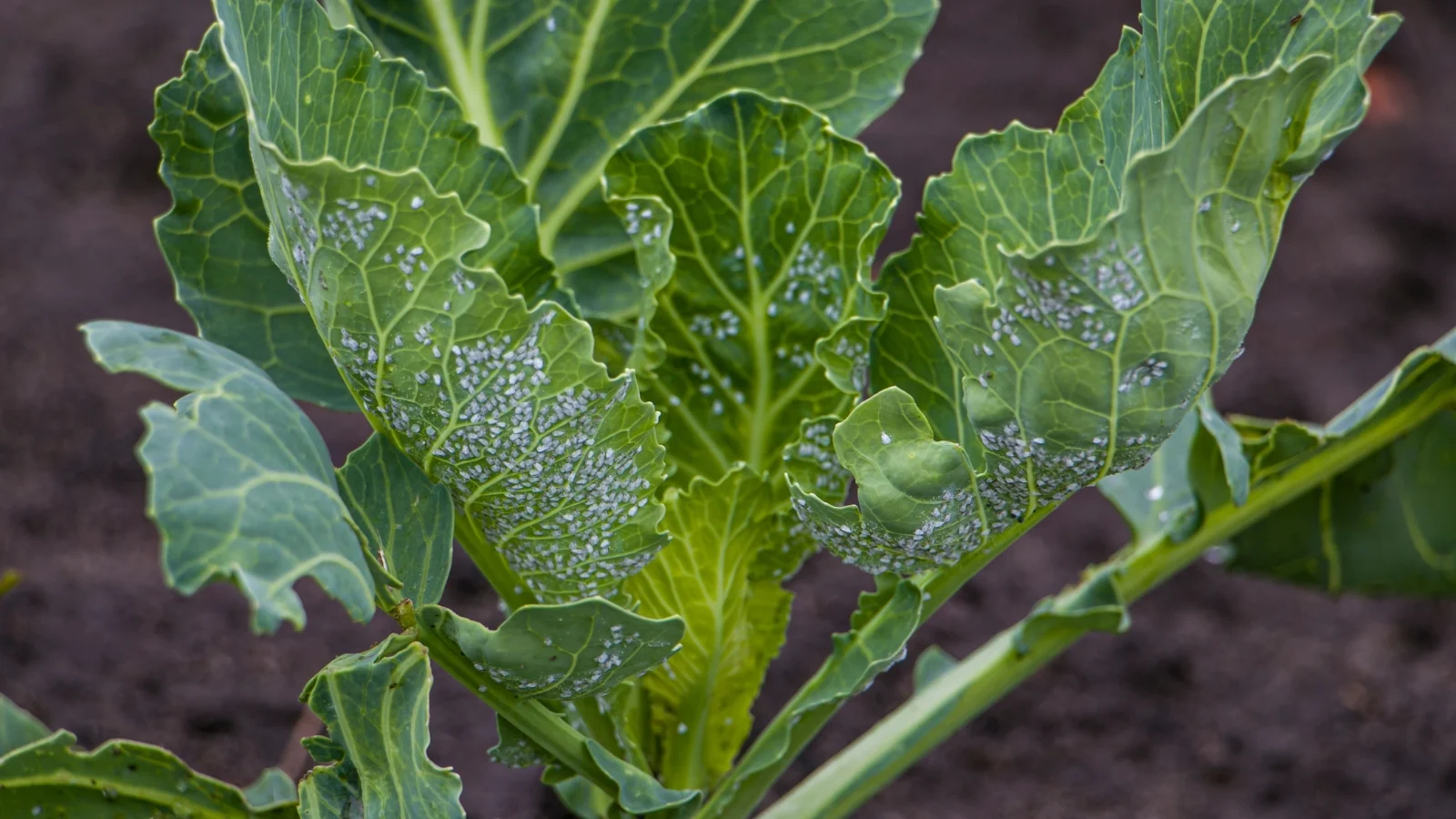
Some common cabbage pests include:
- Cabbage Worms: Cabbage worms are the larvae of white butterflies or moths, such as the cabbage white butterfly. They feed on cabbage leaves, creating holes and damaging the foliage.
- Cabbage Loopers: Cabbage loopers are green caterpillars with a distinctive looping movement. They also feed on cabbage leaves and can cause significant damage.
- Aphids: Aphids are tiny insects that feed on the sap of cabbage plants. They can weaken the plants and transmit diseases.
- Cabbage Maggots: Cabbage maggots are the larvae of small flies that lay their eggs near the base of cabbage plants. The larvae tunnel into the roots, causing stunted growth and wilting.
- Flea Beetles: Flea beetles are small, jumping insects that feed on cabbage leaves. They create tiny holes in the foliage, which can reduce the plant’s vigor.
- Slugs and Snails: These mollusks are nocturnal feeders and can chew on cabbage leaves, leaving behind large irregular holes.
- Cutworms: Cutworms are the larvae of various moth species. They cut through the stems of young cabbage plants at ground level, causing them to wilt and die.
- Harlequin Bugs: Harlequin bugs are brightly colored shield bugs that feed on cabbage and other cruciferous vegetables. They can cause wilting and damage to the plants.
- Diamondback Moths: The larvae of diamondback moths feed on cabbage leaves, creating small, irregular holes and potentially reducing the crop yield.
- Root-knot Nematodes: These microscopic worms infest cabbage roots, causing the roots to become swollen and deformed. This can lead to poor nutrient uptake and stunted growth.


To manage cabbage pests, gardeners often use a combination of methods, including the use of physical barriers (such as row covers), biological controls (such as introducing beneficial insects like ladybugs or parasitic wasps), and the application of organic or chemical pesticides as a last resort. Crop rotation and maintaining good garden hygiene can also help reduce the prevalence of pests in cabbage crops.
Leave a Reply
You must be logged in to post a comment.