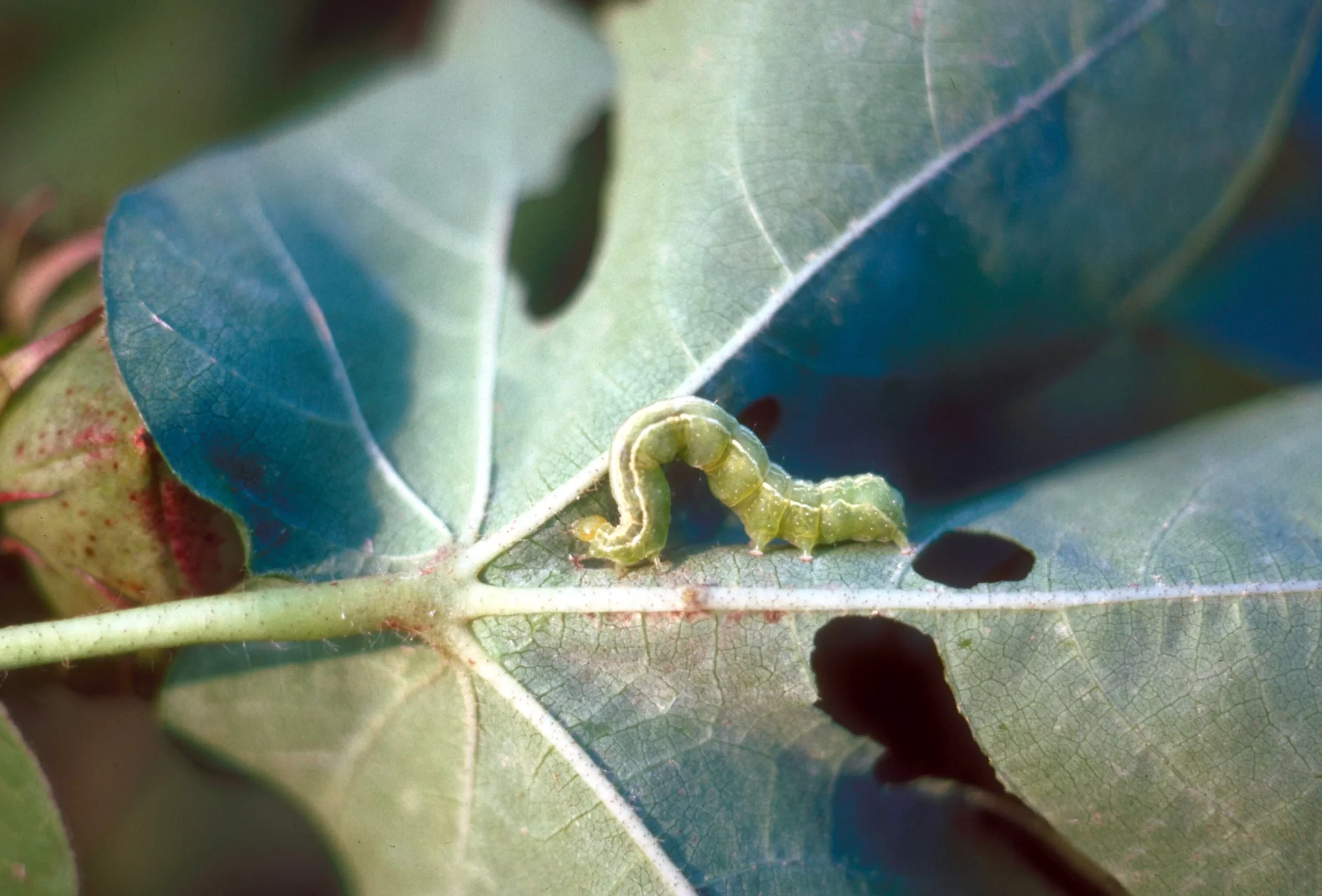
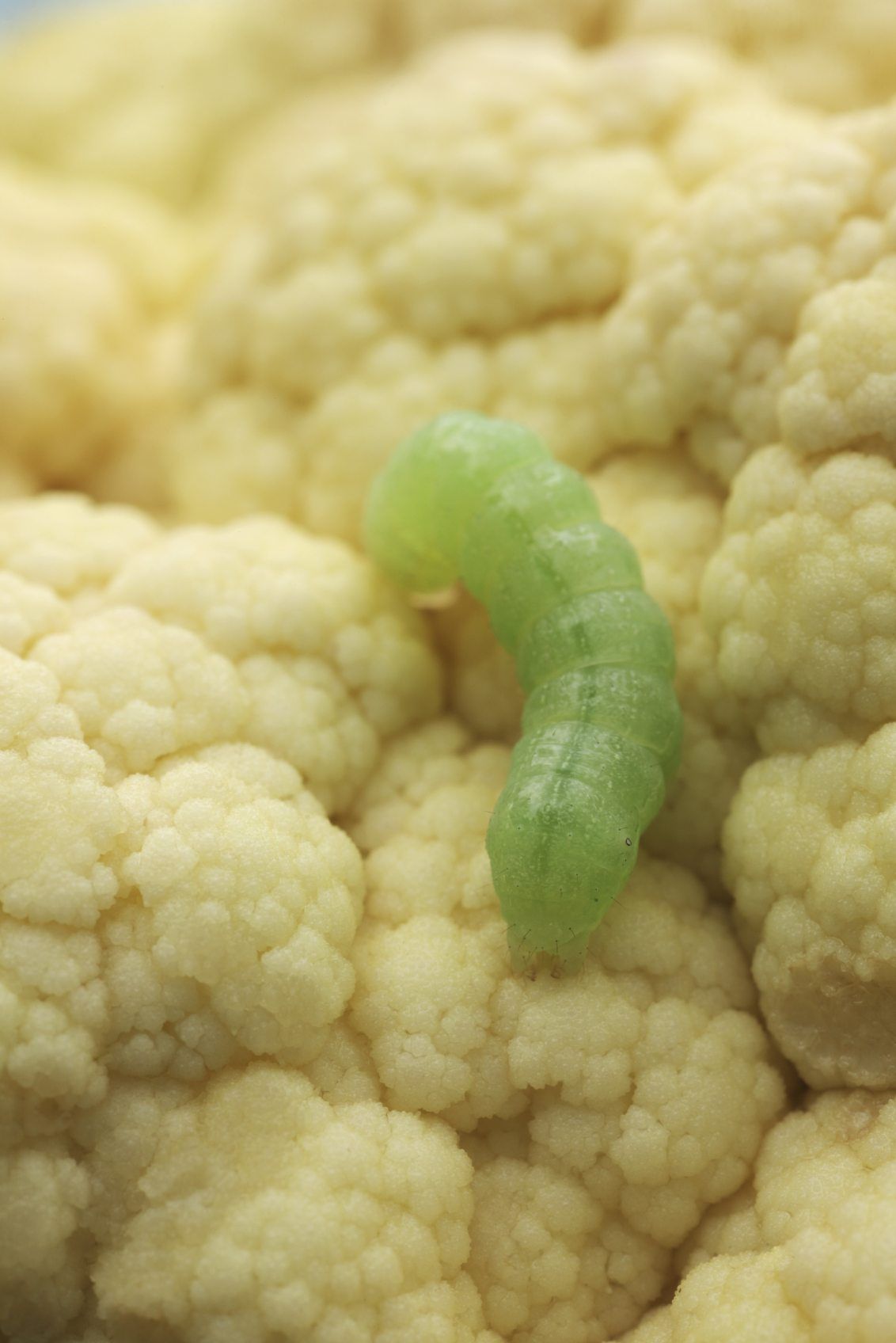
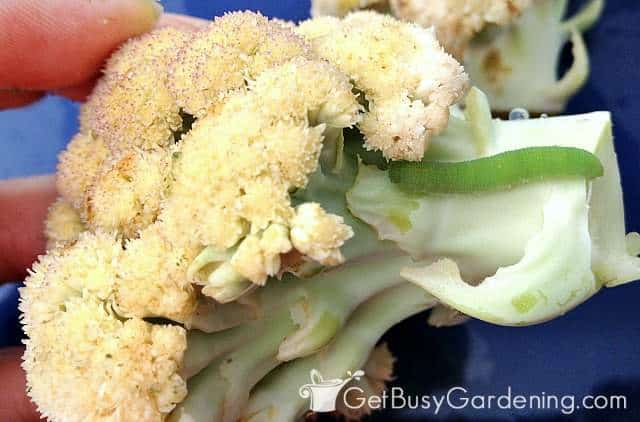
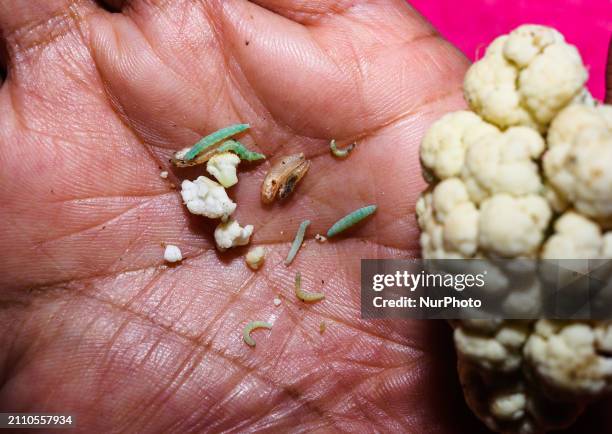
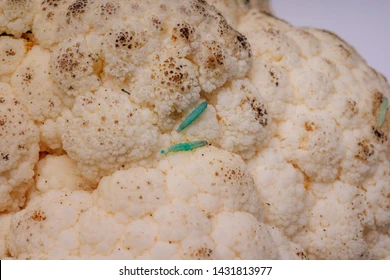
Cabbage loopers (Trichoplusia ni) are a type of caterpillar commonly found in North America. They are named for their distinctive looping movement when they crawl, forming a “loop” as they arch their bodies. These caterpillars are known pests in agricultural settings, particularly in vegetable gardens and farms where they can cause damage to cruciferous crops like cabbage, broccoli, cauliflower, and other related plants.
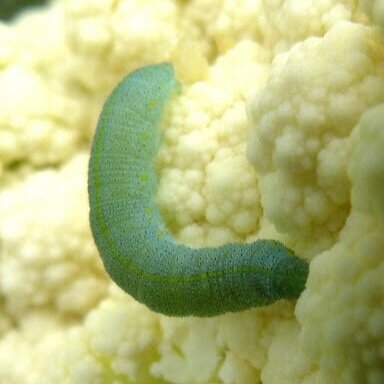
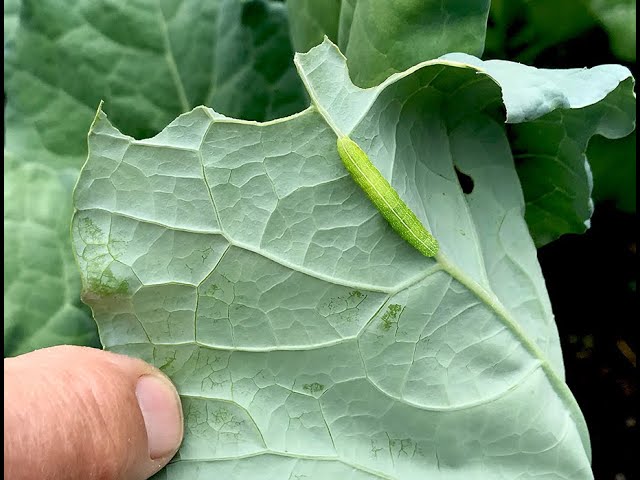
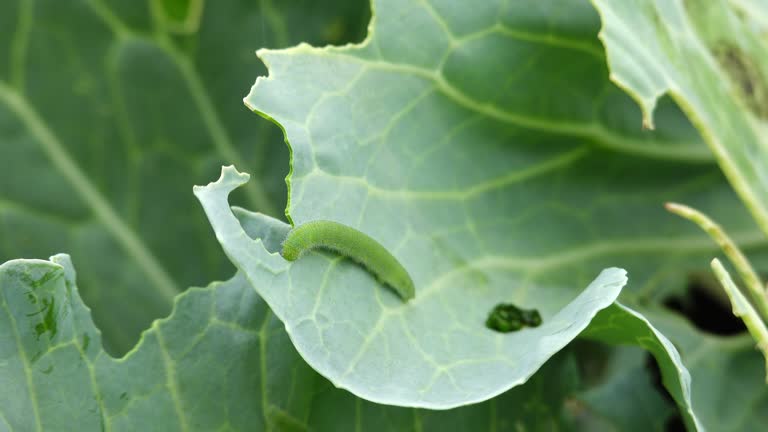
Cabbage loopers are voracious feeders and can quickly defoliate plants if left unchecked. They have green bodies with white stripes running along their sides and are typically about 1 to 2 inches (2.5 to 5 cm) in length. They blend well with the leaves of their host plants, making them somewhat challenging to spot.
Cabbage loopers undergo a metamorphic life cycle, transitioning from eggs to larvae (caterpillars), then pupae, and finally to adult moths. The adult moths are brownish-gray with a distinctive silvery figure-eight-shaped mark on their wings.
Gardeners and farmers often employ various methods to control cabbage loopers, including the use of insecticides, beneficial predators like parasitic wasps, and physical barriers like row covers. Additionally, practicing good garden hygiene and promptly removing infested plants or larvae can help manage their population and minimize damage to crops.

Leave a Reply
You must be logged in to post a comment.