
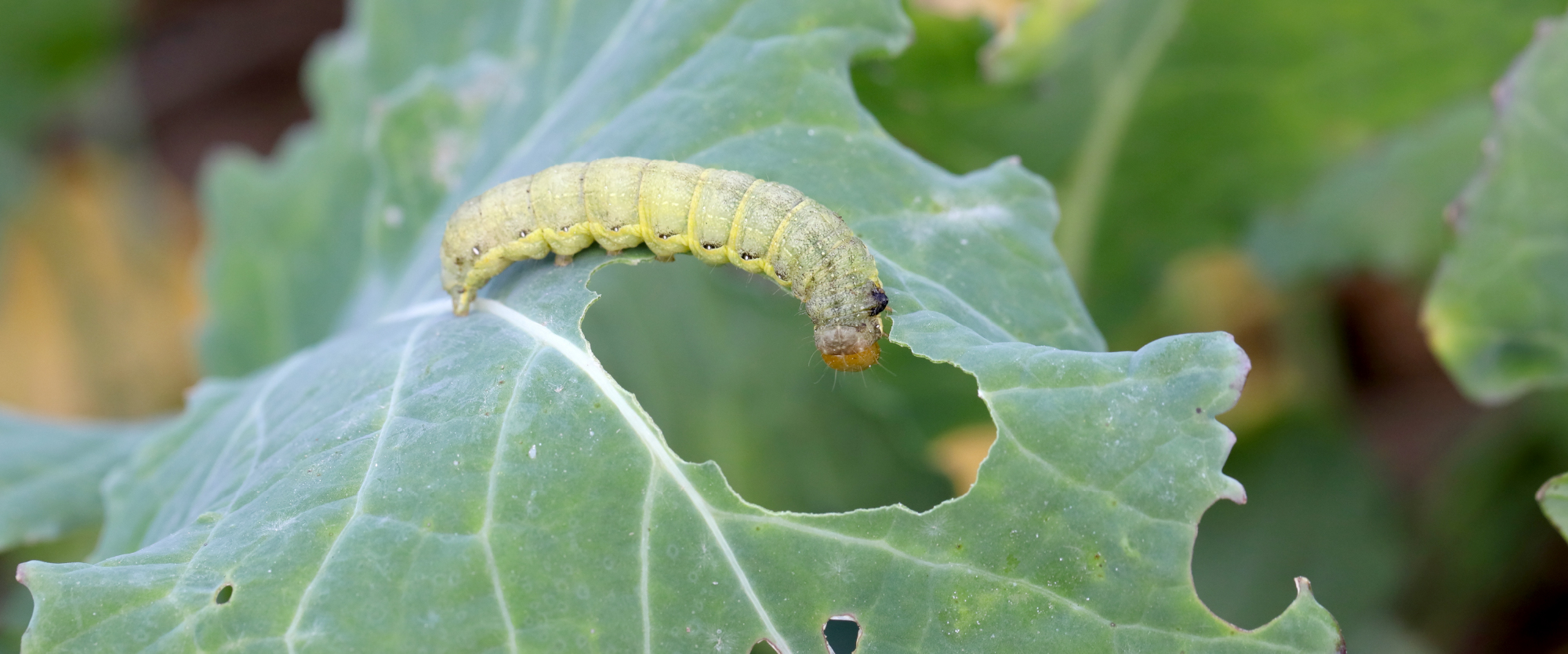
Preventing Cutworm Damage in Celery Crops
Cutworms are the larvae of certain species of nocturnal moths belonging to the family Noctuidae. These caterpillars are known for their feeding habits, which involve cutting off or “cutting” the stems of young plants near ground level, hence the name “cutworms.” Cutworms are considered agricultural pests because they can cause significant damage to a wide range of crops and garden plants.
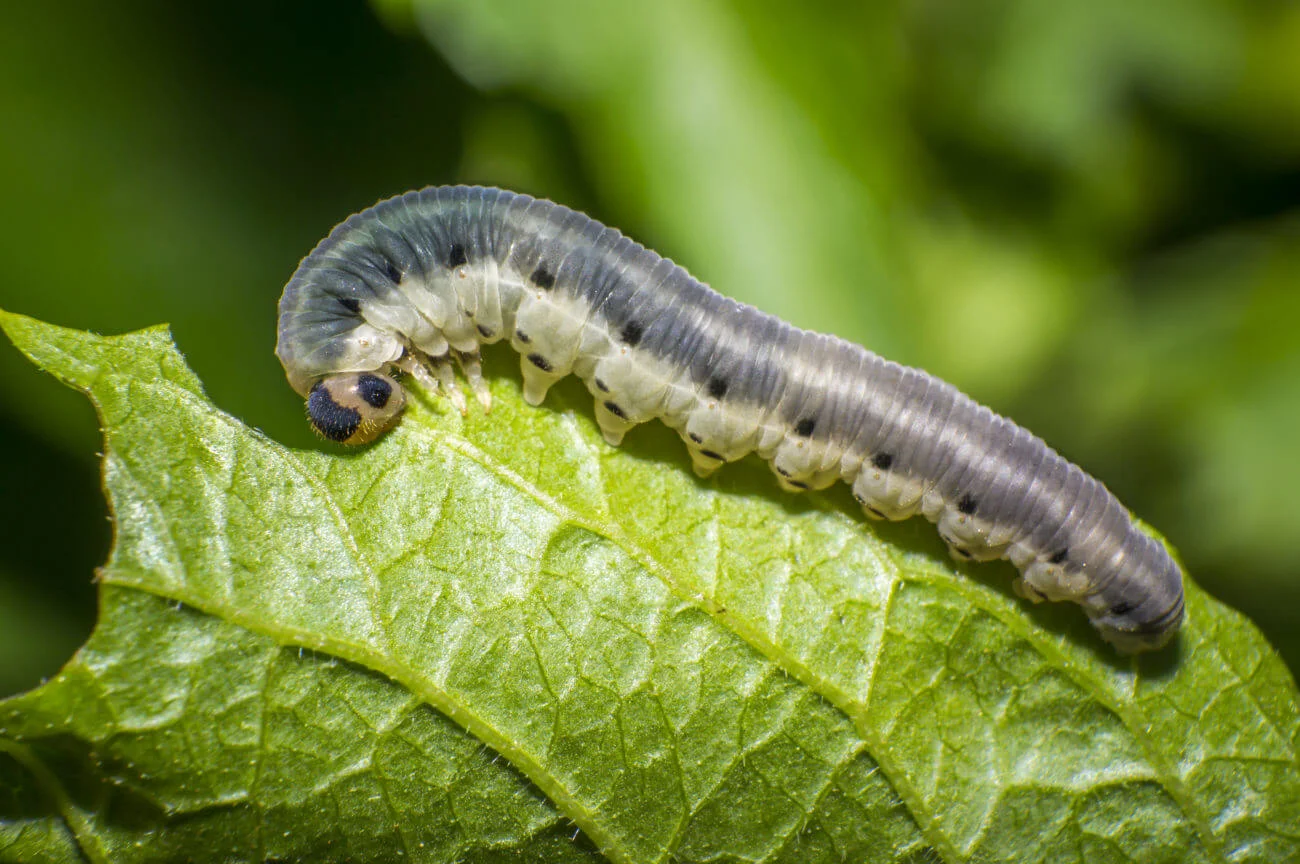
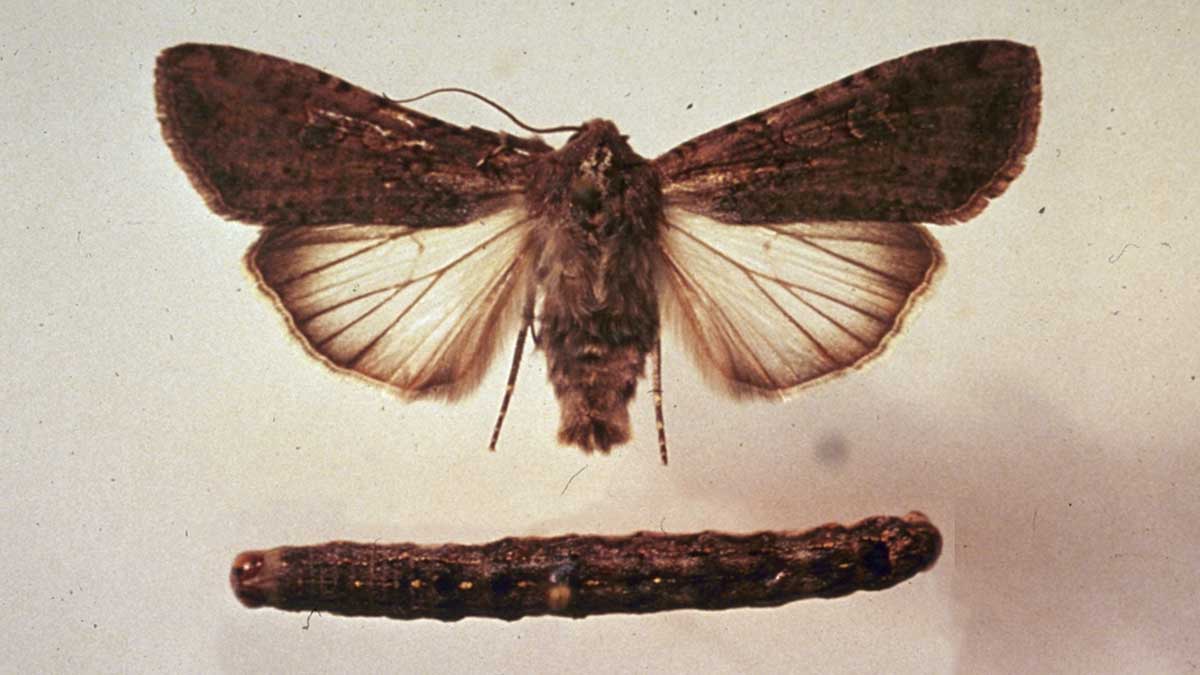
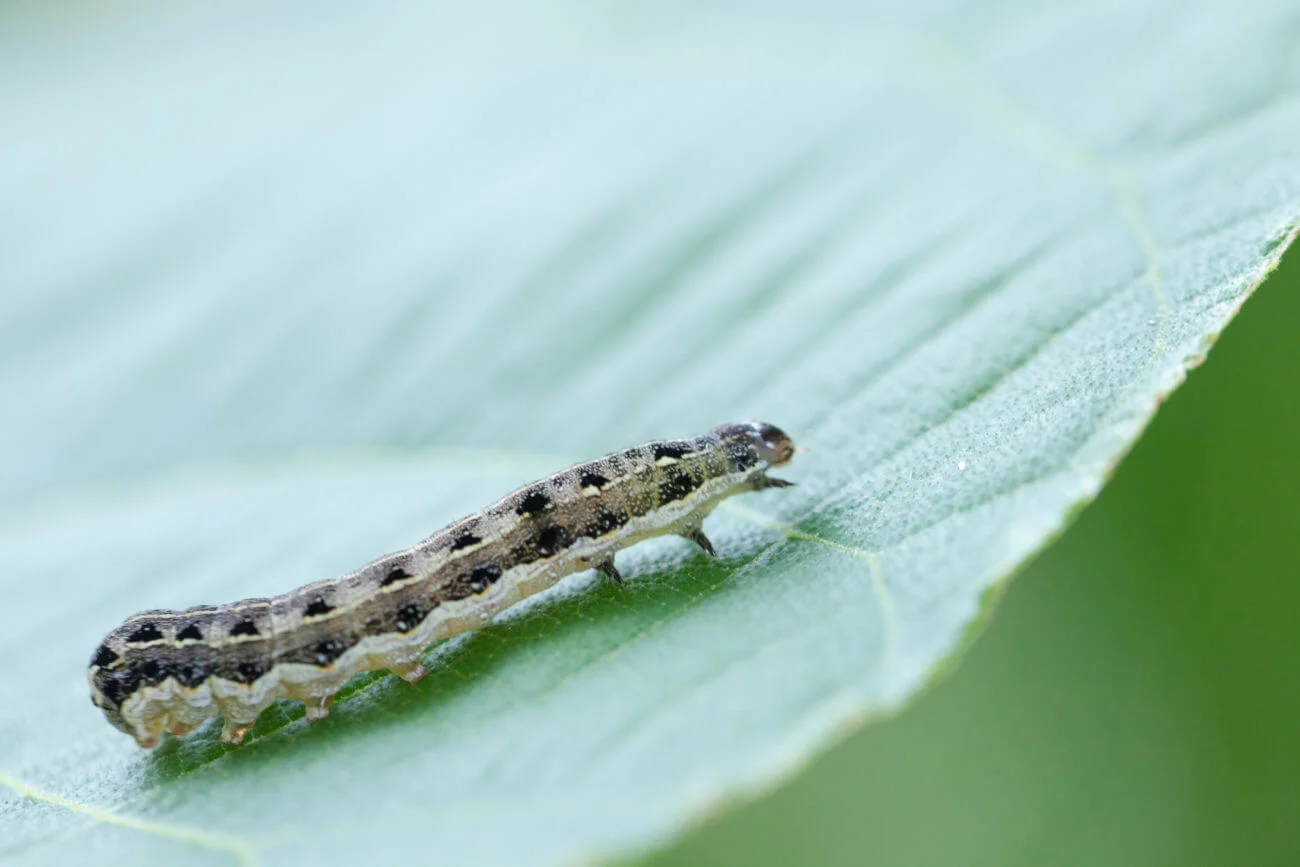
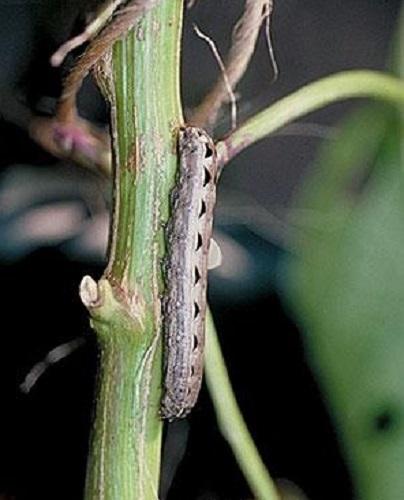
Here are some key characteristics and information about cutworms:
- Appearance: Cutworms come in various colors and patterns depending on the species, but they typically have soft, cylindrical bodies that can range from a few centimeters to several centimeters in length. They often have smooth or slightly wrinkled skin and may have longitudinal stripes or spots.
- Behavior: Cutworms are primarily active at night and spend their days hiding in the soil or plant debris. They emerge at night to feed on the stems and leaves of plants. They are called “cutworms” because they have a habit of cutting off young plants at or near the soil surface, causing the plants to topple over.
- Life Cycle: Cutworms undergo complete metamorphosis, which includes four stages: egg, larva (cutworm), pupa, and adult moth. The adult moths lay their eggs on or near plants. After hatching, the larvae feed and grow, going through several instars (molting stages) before pupating. Once they emerge from their pupal stage, they become adult moths, which then lay eggs to start the cycle again.
- Damage: Cutworms can cause significant damage to a wide range of plants, including vegetables, flowers, and agricultural crops. They can be particularly problematic for seedlings and young plants because they can sever the plants at the base, leading to wilting and death.
- Control: There are several methods to control cutworms in gardens and farms. These methods include handpicking the caterpillars when they are active at night, using physical barriers (such as collars around young plants), applying biological controls like beneficial nematodes or parasitic wasps, and using chemical insecticides as a last resort.
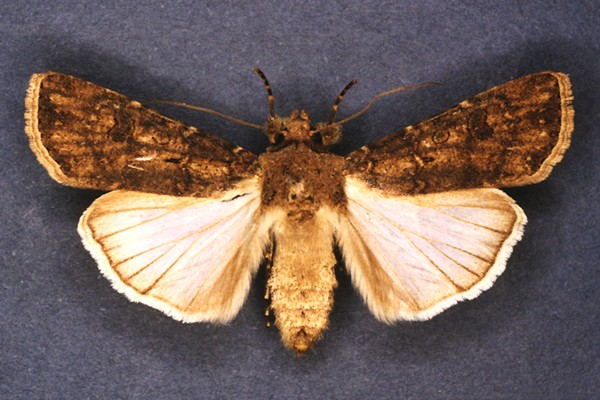
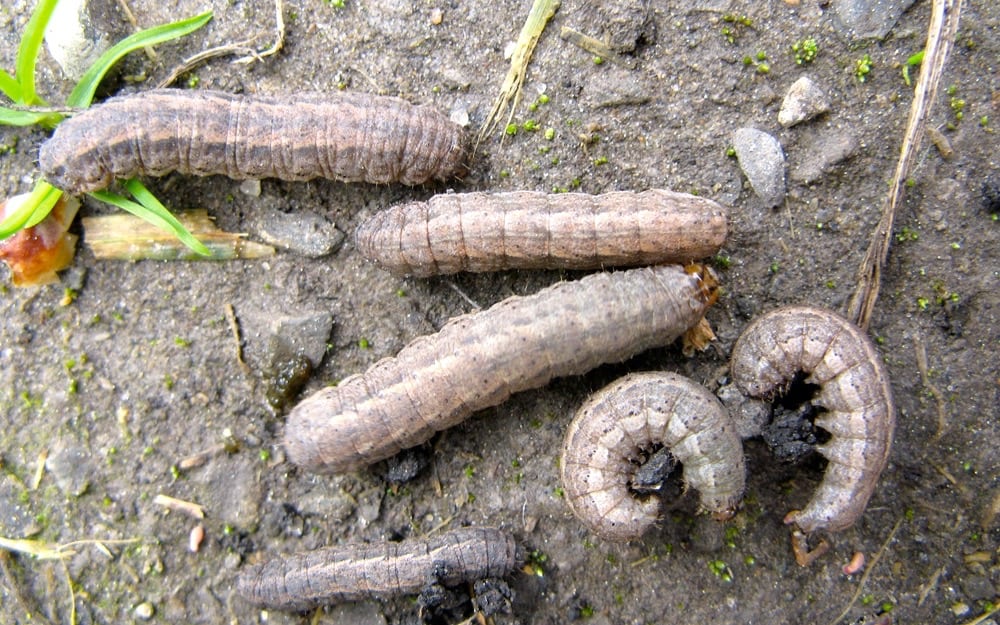
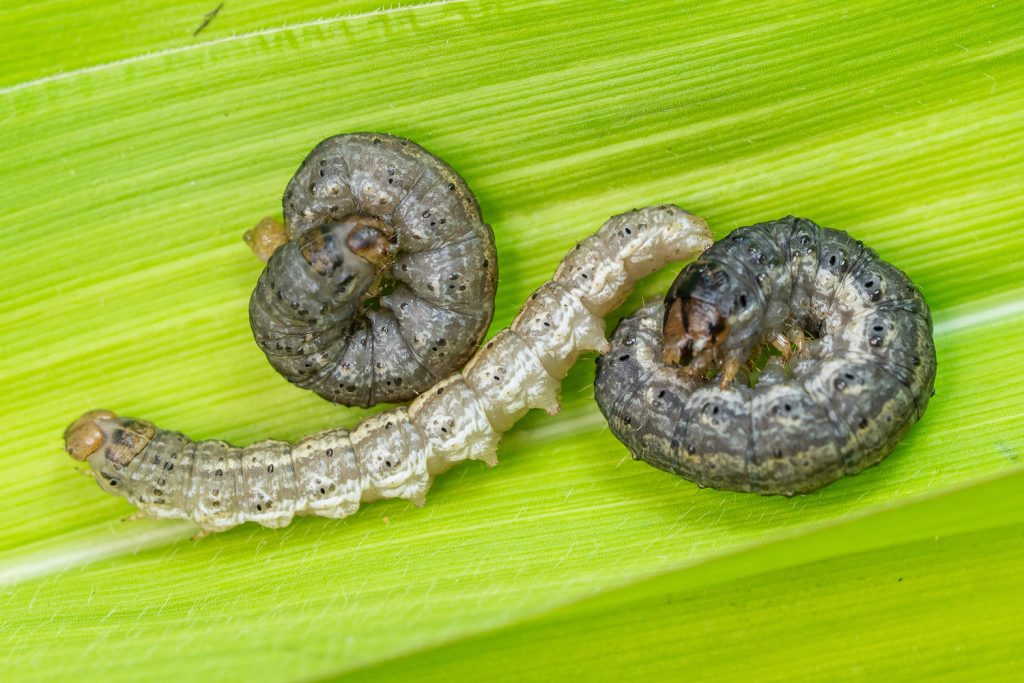
Identifying the specific species of cutworm and understanding their life cycle can help in implementing effective control measures. It’s important to note that some species of cutworms may be more destructive than others, and control methods may vary accordingly. Integrated pest management (IPM) strategies are often recommended to minimize the impact of cutworms on crops while minimizing the use of chemical pesticides.
Leave a Reply
You must be logged in to post a comment.