Caterpillars on Celery: Identification and Control Tips
Caterpillars are the larval stage of insects belonging to the order Lepidoptera, which includes butterflies and moths. They are characterized by their elongated bodies, numerous legs, and distinct appearance. Caterpillars are typically herbivorous, feeding on a variety of plants.
During this stage of their life cycle, caterpillars go through several growth phases, shedding their exoskeletons in a process called molting. As they grow, they consume more plant material and store energy for their eventual transformation into the next stage, which is the pupa or chrysalis.
After the caterpillar has completed its growth and development, it enters the pupal stage. Inside the pupa, significant changes occur as the caterpillar undergoes metamorphosis, transforming into an adult butterfly or moth. This transformation involves the restructuring of the caterpillar’s body tissues, and it emerges from the pupa as a fully developed adult with wings, ready to fly and reproduce.
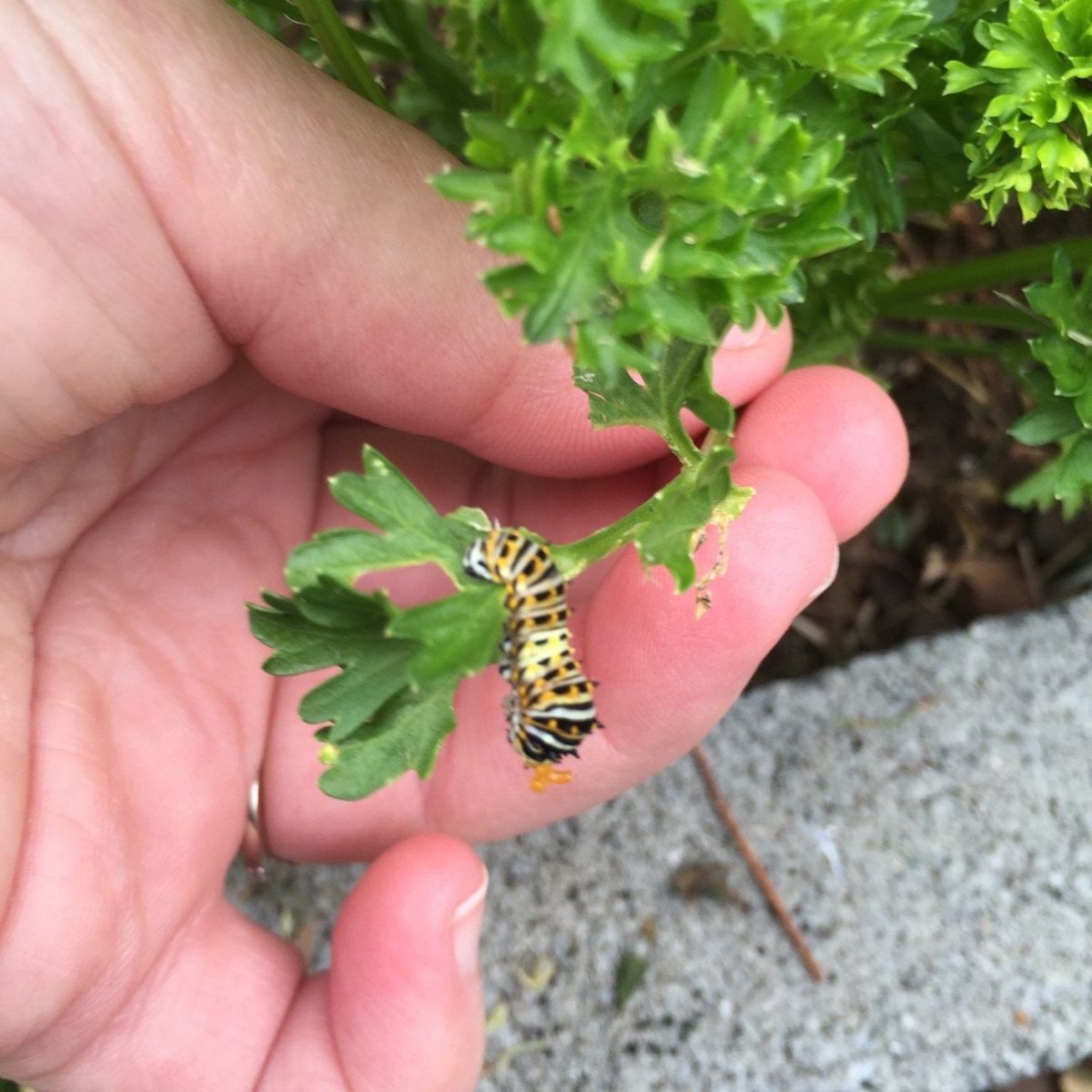
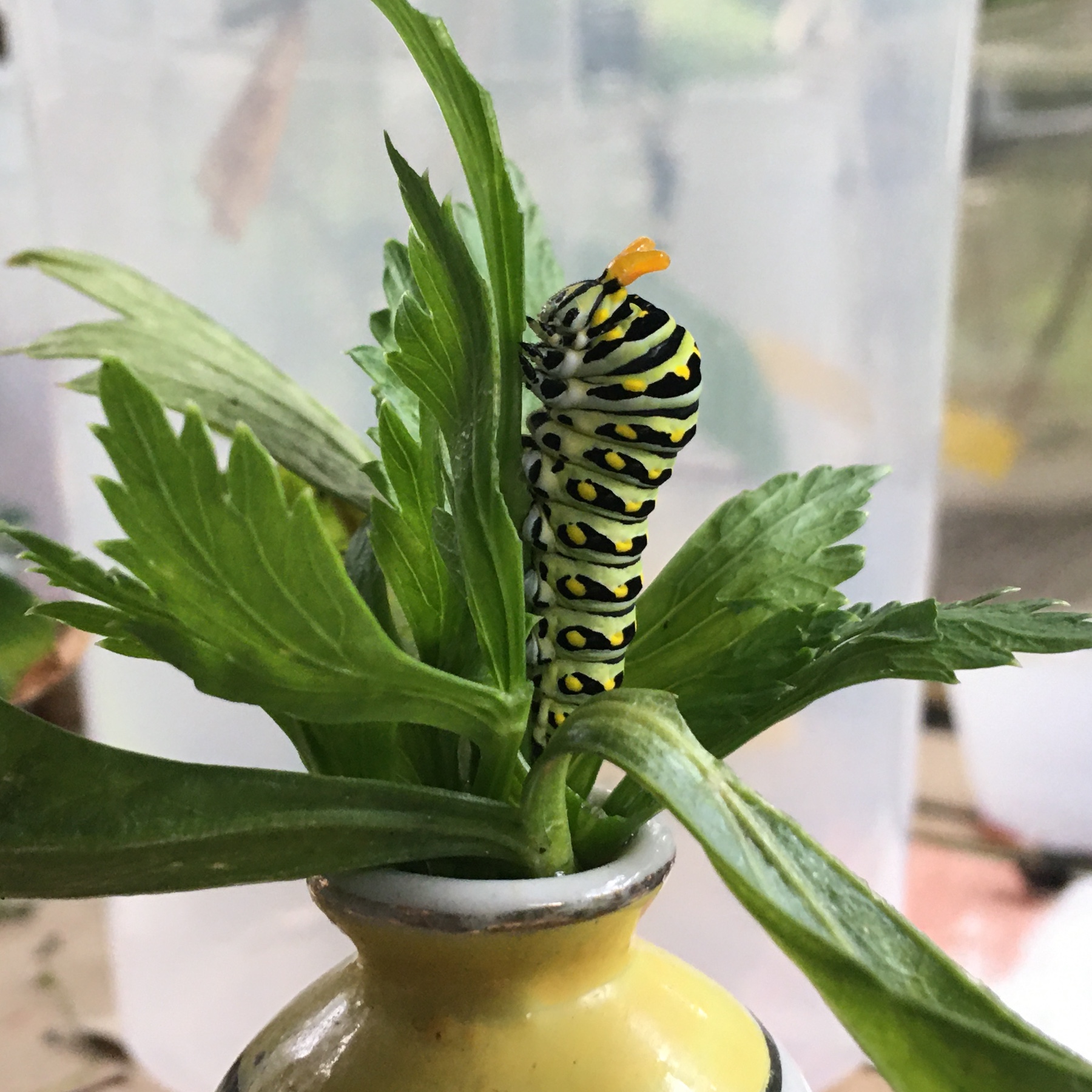
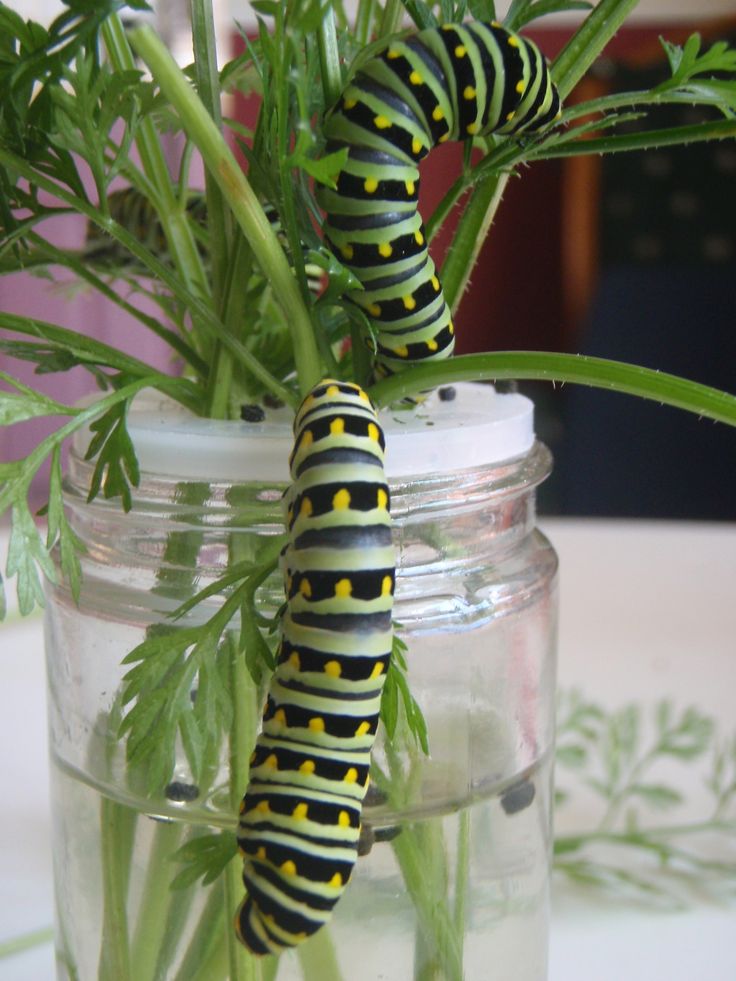
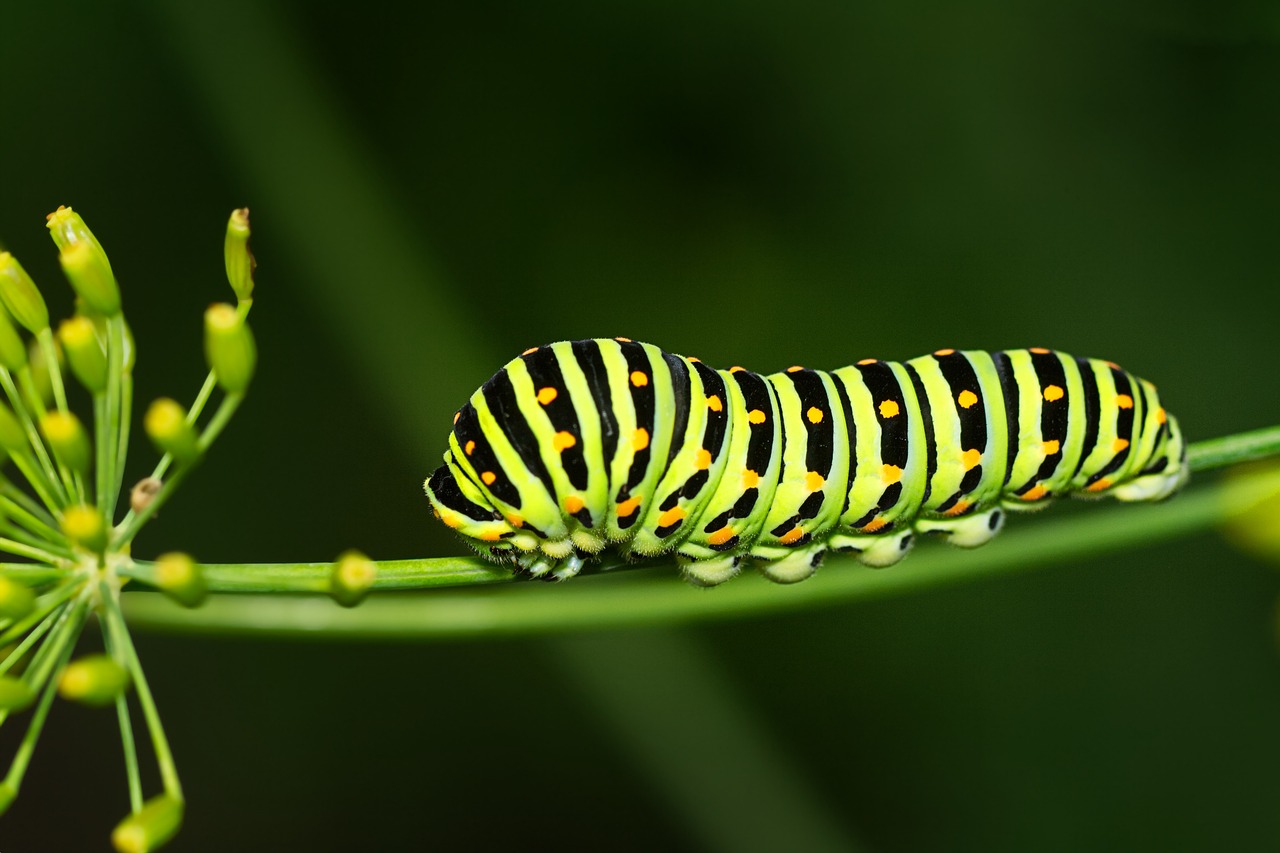
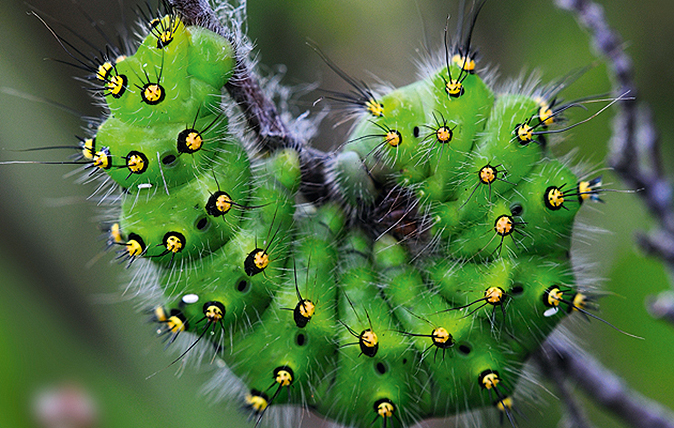
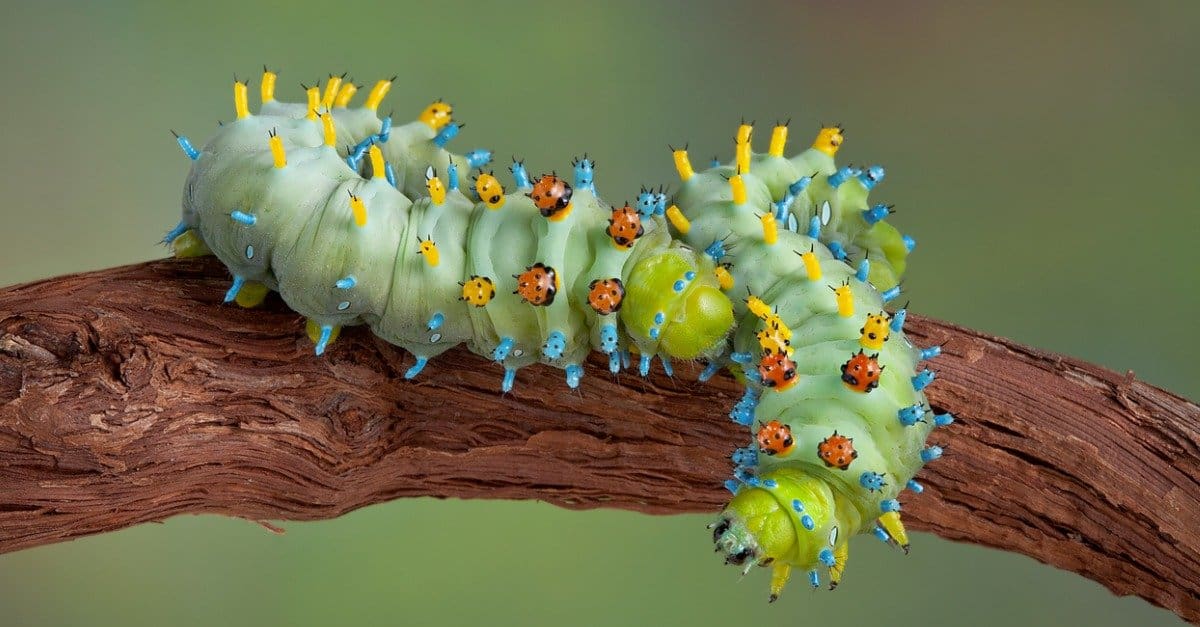
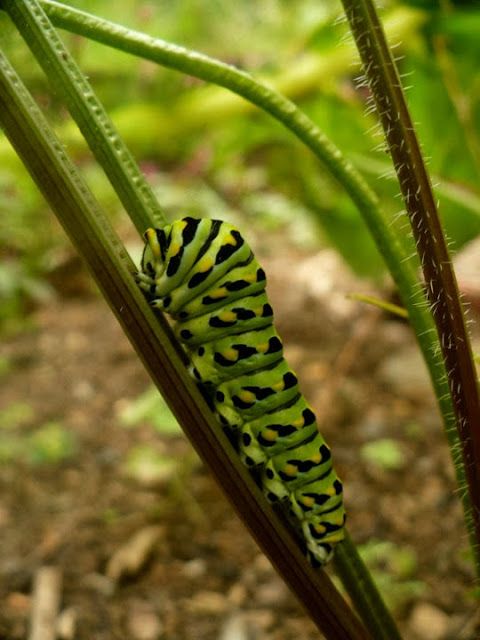
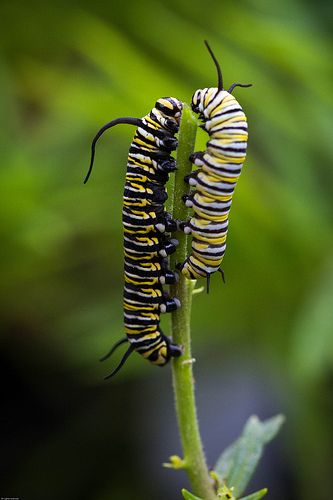
Caterpillars come in various shapes, sizes, and colors, and some species have distinctive features such as spines or hairs that can be used for defense against predators. They play a vital role in ecosystems as both herbivores and as a food source for other animals, contributing to the biodiversity and balance of nature.

Leave a Reply
You must be logged in to post a comment.