Banana Aphids: Identification, Damage, and Control

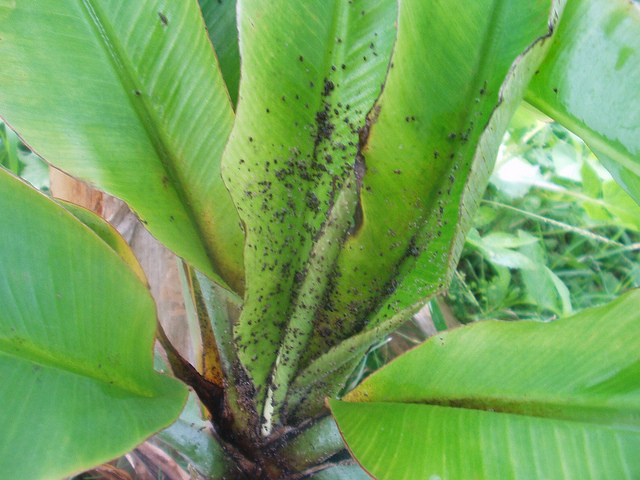
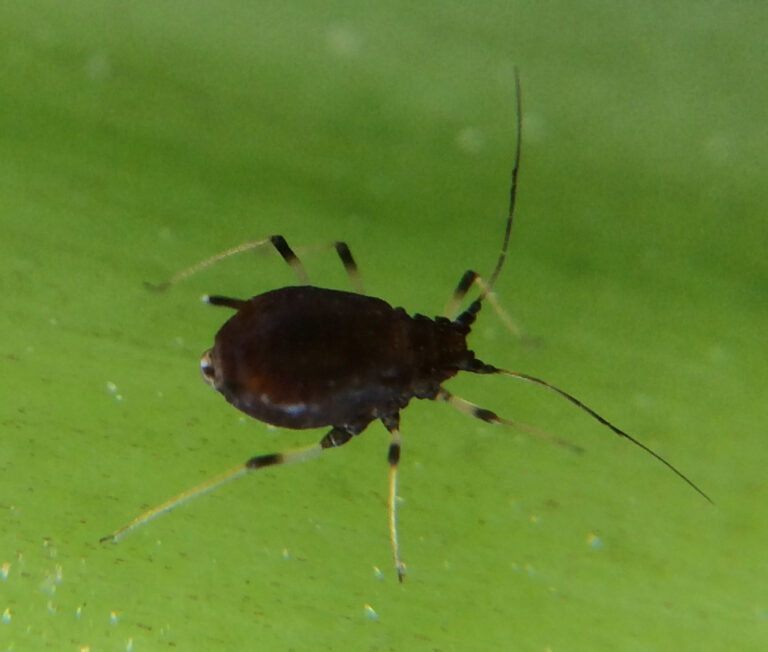
Banana aphids, also known as Pentalonia nigronervosa, are small sap-feeding insects that belong to the Aphididae family. They are a common pest in banana plantations and can cause significant damage to banana plants. These aphids feed on the sap of banana plants by piercing the plant’s tissues with their needle-like mouthparts and sucking out the nutrient-rich fluids. This feeding activity can weaken the plant, stunt its growth, and reduce fruit production.

Banana aphids are typically small, soft-bodied insects that range in color from pale green to yellow or even black. They reproduce rapidly, with females giving birth to live young without the need for mating, which allows their populations to multiply quickly under favorable conditions.

In addition to direct damage through feeding, banana aphids can also transmit plant viruses, such as Banana bunchy top virus (BBTV), which can have devastating effects on banana crops.

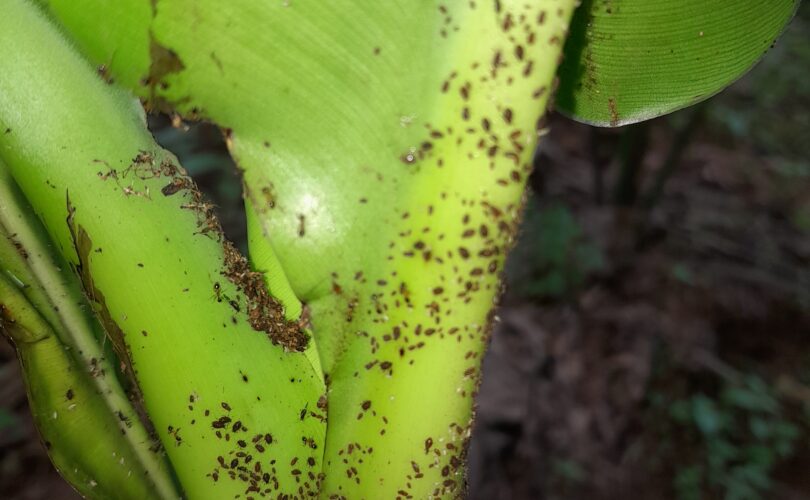
Controlling banana aphids often involves a combination of cultural practices, biological control methods, and, in some cases, the use of chemical pesticides. Farmers may introduce natural predators, such as ladybugs or parasitic wasps, to help manage aphid populations and reduce the need for chemical treatments. Proper plant management, including regular monitoring and timely intervention, can also help prevent significant aphid infestations and minimize their impact on banana crops.

Leave a Reply