
Banana Bunchy Top Virus: Symptoms, Transmission, and Management
Banana Bunchy Top Virus (BBTV) is a plant virus that primarily affects banana plants (Musa spp.), including both dessert and cooking banana varieties. It is a serious and destructive disease that can cause significant economic losses in banana-growing regions.


. Here are some key characteristics of the Banana Bunchy Top Virus:
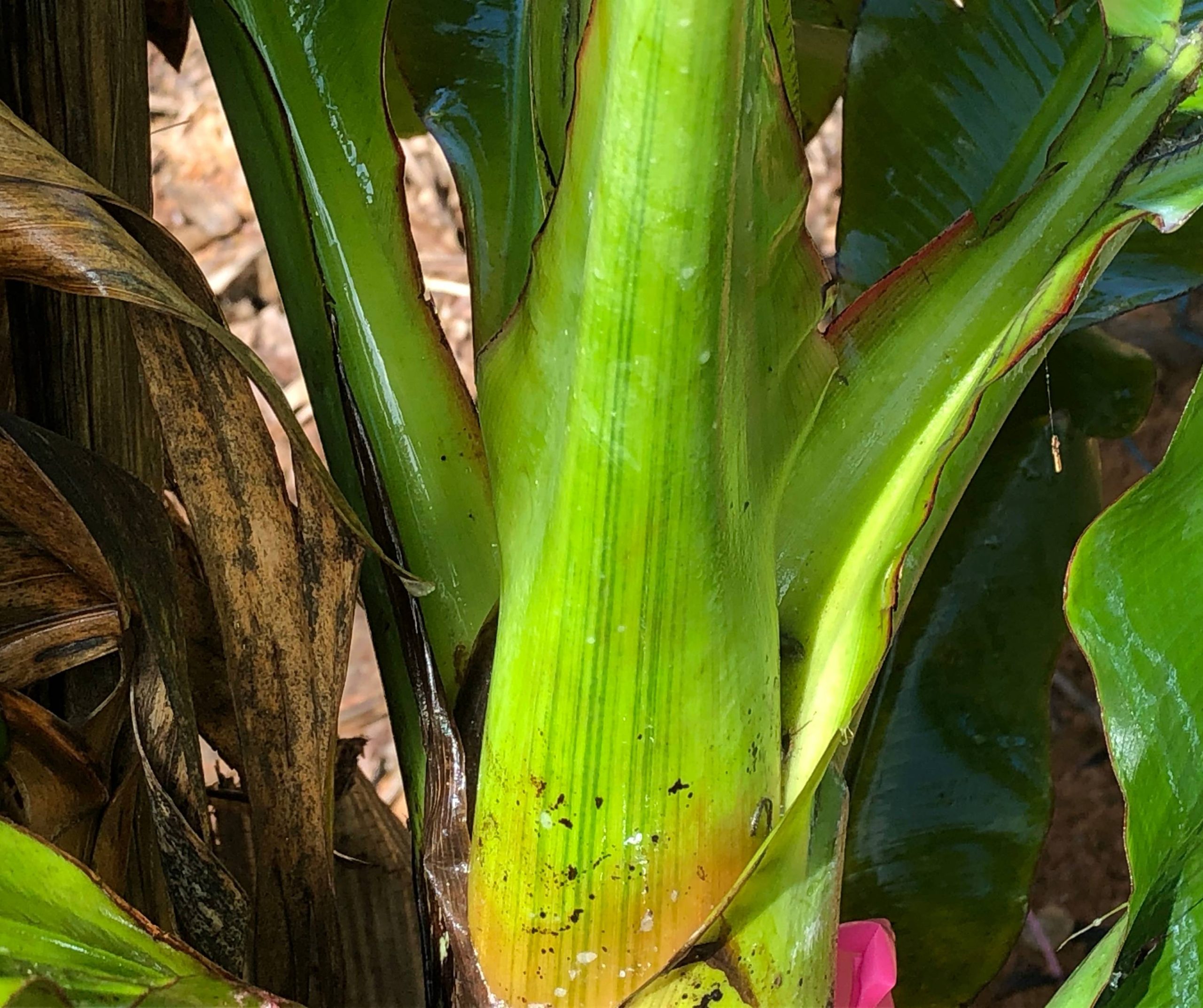
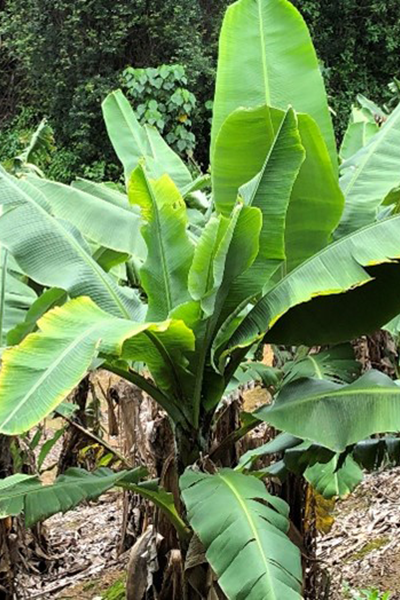
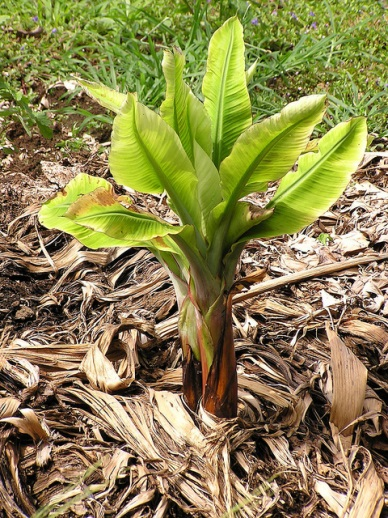
Symptoms: BBTV is characterized by a range of symptoms, including the following:
- Bunchy appearance of leaves at the top of the plant, giving the disease its name.
- Stunted growth of the banana plant.
- Narrow and upright leaves with a characteristic yellowing and curling.
- Dark green streaks on the leaves.
- Reduced fruit production and quality.
- Transmission: BBTV is primarily transmitted by an insect vector known as the banana aphid (Pentalonia nigronervosa). When aphids feed on an infected banana plant, they acquire the virus, and then, when they feed on a healthy plant, they can transmit the virus, spreading the disease.
- Geographic Distribution: BBTV is most prevalent in tropical and subtropical regions where bananas are grown, including parts of Asia, the Pacific Islands, and some parts of Africa and the Americas.
- Impact: The virus can cause severe damage to banana crops, leading to reduced yields and economic losses for farmers. It can also threaten food security in regions where bananas are a staple crop.
- Management: Managing BBTV is challenging, and there is no cure for infected plants. Prevention and control measures include:
- Removing and destroying infected plants to prevent the spread of the virus.
- Using disease-free planting material.
- Controlling banana aphid populations through insecticides or natural predators.
- Implementing quarantine measures to prevent the movement of infected plants to new areas.
Efforts to combat BBTV include research into resistant banana varieties, as well as the development of more sustainable and environmentally friendly control strategies.

It’s important to note that the information provided is based on knowledge available up to September 2021, and there may have been further developments or research in the field of plant virology since that time.
Leave a Reply
You must be logged in to post a comment.