
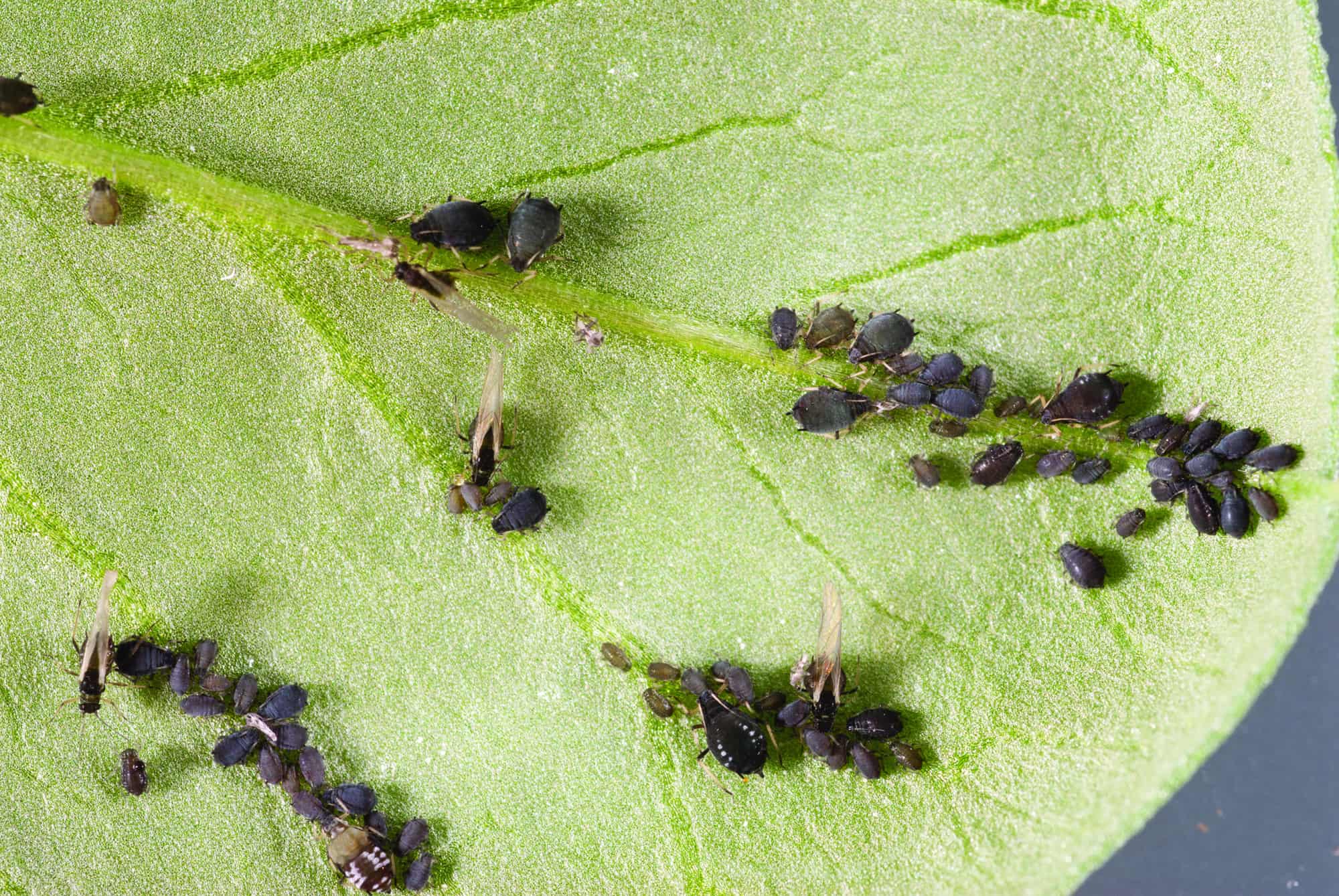
Black Bean Aphids: Threats and Solutions
Black Bean aphids, also known as plant lice, are small, soft-bodied insects belonging to the family Aphididae within the order Hemiptera. These sap-sucking insects primarily feed on the phloem sap of bean plants, leading to potential economic losses in agriculture. They can be found on a variety of plants, particularly in gardens and agricultural fields.


Bean aphids can vary in color, appearing green, yellow, brown, or even black, depending on the species and their diet. Known for their rapid reproduction, bean aphids can quickly form large infestations on bean plants. Their life cycle includes both sexual and asexual reproduction, with asexual reproduction being the predominant method. This allows female aphids to give birth to live offspring without fertilization, contributing to explosive population growth.
The damage caused by bean aphids includes nutrient extraction from the plants, resulting in stunted growth, wilting, distorted leaves, and ultimately reduced crop yields. Additionally, they can transmit various plant viruses as they feed, compromising the health of the plants. Their feeding also produces a sugary substance known as “honeydew,” which attracts other pests like ants and encourages mold growth.


Natural predators, such as ladybugs, lacewings, and parasitic wasps, play a vital role in controlling bean aphid populations. In agricultural practices, methods for managing these pests include introducing beneficial insects, applying insecticidal soaps or oils, and implementing cultural practices that enhance plant health. While bean aphids are an integral part of the ecosystem, their rapid reproduction and potential for damage necessitate careful management in agricultural and gardening contexts.
Leave a Reply
You must be logged in to post a comment.