
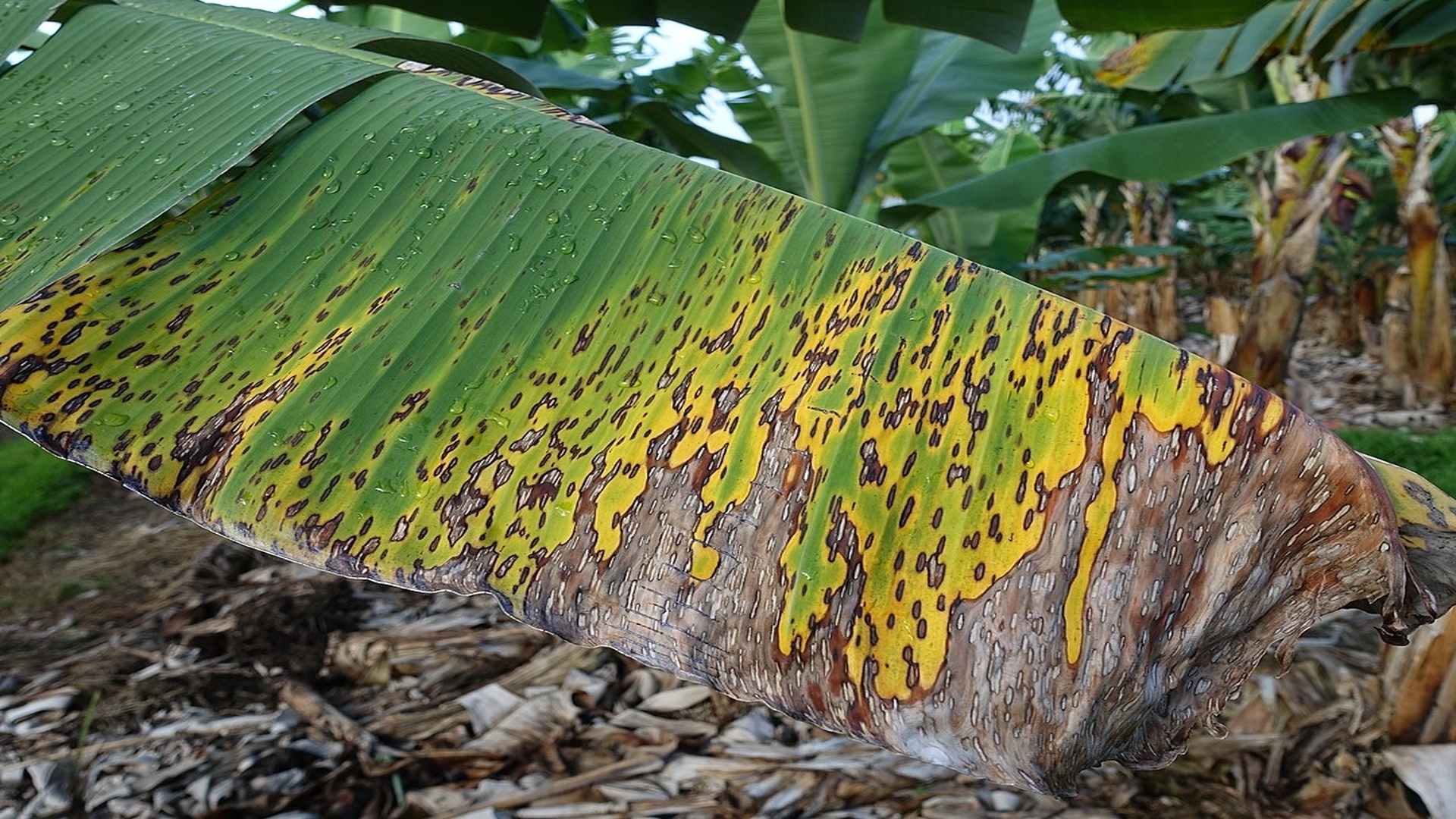
Common Banana Pests: Identification and Control Methods
Banana plants are vulnerable to a wide range of pests that can significantly affect their health, growth, and productivity. These pests, ranging from insects to nematodes, not only damage the physical structure of the plant but also interfere with its ability to absorb nutrients, transmit diseases, and produce healthy fruit. Effective management of banana pests is crucial for ensuring the sustainability of banana cultivation, particularly in regions where bananas serve as a staple crop and key economic resource. Understanding the biology, behavior, and impact of each pest is essential for developing effective control strategies and minimizing crop losses.


Some common banana pests include:
- Banana Aphids: These small, soft-bodied insects feed on the sap of banana plants and can transmit viruses.
- Banana Weevils: Banana weevils are beetles that lay their eggs in banana plant rhizomes. Their larvae bore into the plant, causing damage.
- Banana Bunchy Top Virus (BBTV): While not a pest in the traditional sense, this virus is transmitted by the banana aphid and can cause severe damage to banana plants by stunting growth and deforming leaves.
- Banana Rust Thrips: Thrips are tiny insects that feed on banana leaves, causing discoloration, curling, and distortion.
- Nematodes: Root-knot nematodes and other nematode species can attack banana plant roots, leading to poor nutrient uptake and stunted growth.
- Banana Scales: These insects can cover banana leaves with a waxy substance and feed on the plant’s sap.
- Banana Fruit Flies: Fruit flies can damage banana fruit by laying their eggs inside them, leading to infested and unmarketable fruit.
- Banana Moths: Banana moths can damage fruit by laying their eggs in the banana bunch, and their larvae can tunnel into the fruit.
- Banana Snout Weevils: These weevils attack the fruit by boring holes in it and can cause significant damage to the fruit.
- Banana Nematodes: Parasitic nematodes can infect banana plants, leading to root damage and reduced plant health.


To manage these banana pests, various control measures can be implemented, including the use of pesticides, biological control methods, such as introducing natural predators, and practicing good agricultural practices, like crop rotation and sanitation, to reduce pest populations. It’s important to note that sustainable and integrated pest management practices are often recommended to minimize the environmental impact of pest control in banana farming.
Leave a Reply
You must be logged in to post a comment.