
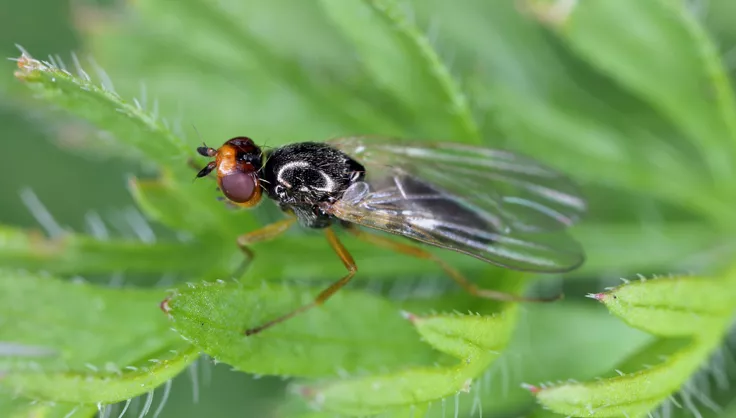
Carrot Rust Fly: Identification and Control Tips
The Carrot Rust Fly (Psila rosae), also known as the Carrot Root Fly, is a pest that primarily affects carrot crops and other plants in the Apiaceae family, which includes vegetables like carrots, parsnips, and celery. This insect is native to Europe and parts of Asia and is known for causing damage to the roots of these plants.



Here are some key characteristics and information about the Carrot Rust Fly:
- Identification: Adult Carrot Rust Flies are small, slender, and resemble small houseflies, measuring about 5-7 mm in length. They have a black body with reddish-orange legs, which is how they get their name. The larvae (maggots) are creamy white and legless, typically found tunneling into the roots of host plants.
- Damage: Carrot Rust Fly larvae feed on the roots of host plants, creating tunnels and causing damage that can lead to stunted growth and reduced crop yield. Affected carrots often develop rusty, brownish lesions on the outer surface, hence the name “rust fly.”
- Life Cycle: The life cycle of the Carrot Rust Fly typically consists of four stages: egg, larva, pupa, and adult. Adult flies lay eggs near the base of host plants, and when the eggs hatch, the larvae burrow into the soil to feed on the roots. They pupate in the soil before emerging as adult flies, which can continue the cycle.
- Management: Controlling Carrot Rust Fly infestations can be challenging. Some common methods include crop rotation, using row covers to physically exclude the flies from the plants, and using insecticides if necessary. Cultural practices such as planting carrots at the right time and thinning seedlings can also help reduce the risk of infestation.
- Organic Control: Organic gardeners may use beneficial nematodes or parasitic wasps as biological control agents to manage Carrot Rust Fly larvae in the soil. Additionally, practicing good sanitation by removing and disposing of infested plant material can help reduce the population.


It’s important for gardeners and farmers to monitor their carrot crops and take appropriate measures to prevent or manage Carrot Rust Fly infestations to protect their harvest.
Leave a Reply
You must be logged in to post a comment.