
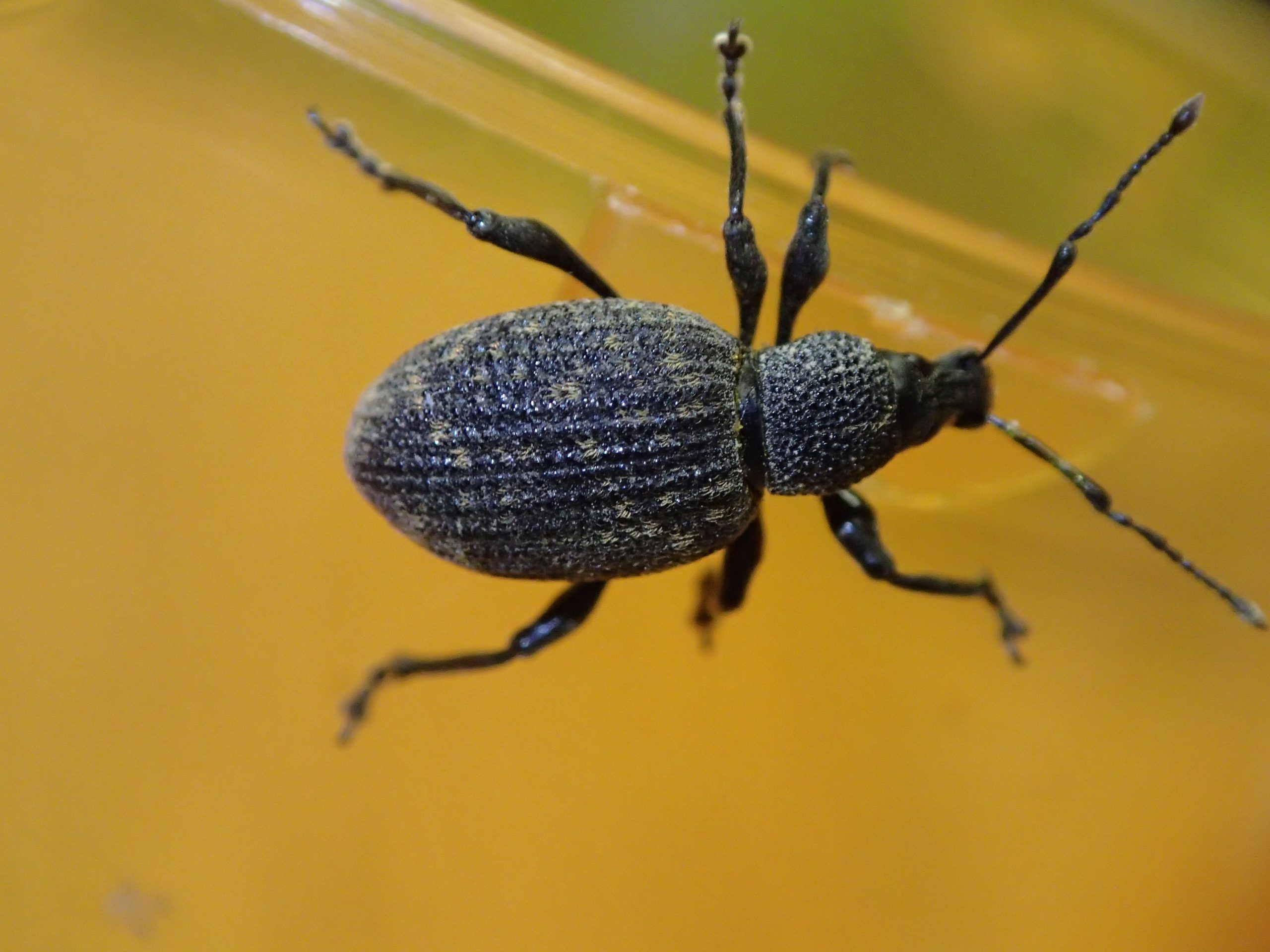
How to Identify and Control Carrot Weevil Infestations
The Carrot Weevil, also known as Listronotus oregonensis, is a type of weevil insect that is a pest of carrots and other related crops. It is native to North America and is particularly problematic in the eastern and central parts of the continent. The Carrot Weevil can cause significant damage to carrot crops by tunneling into the roots and feeding on them.
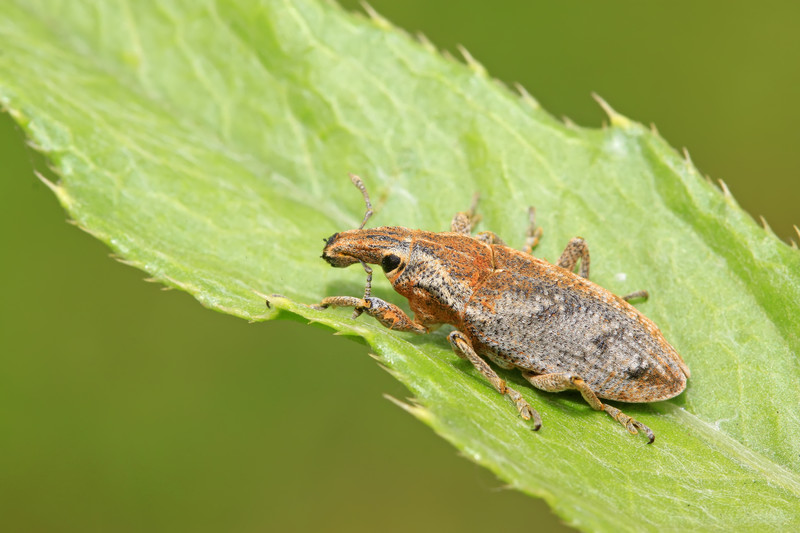
Here are some key characteristics and information about the Carrot Weevil:
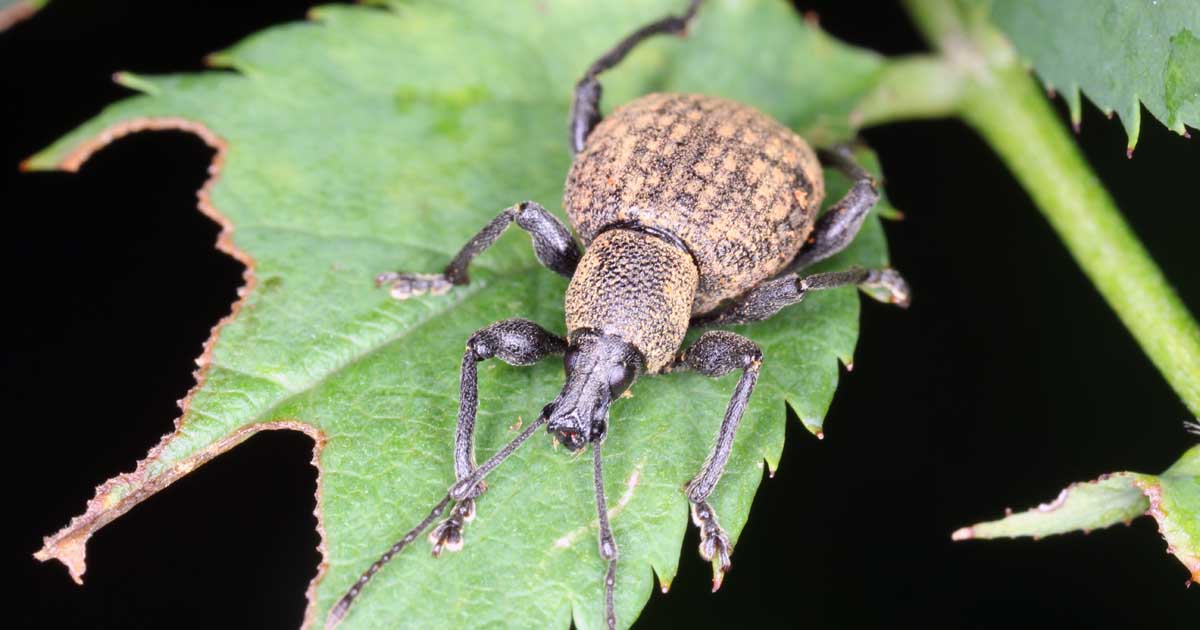
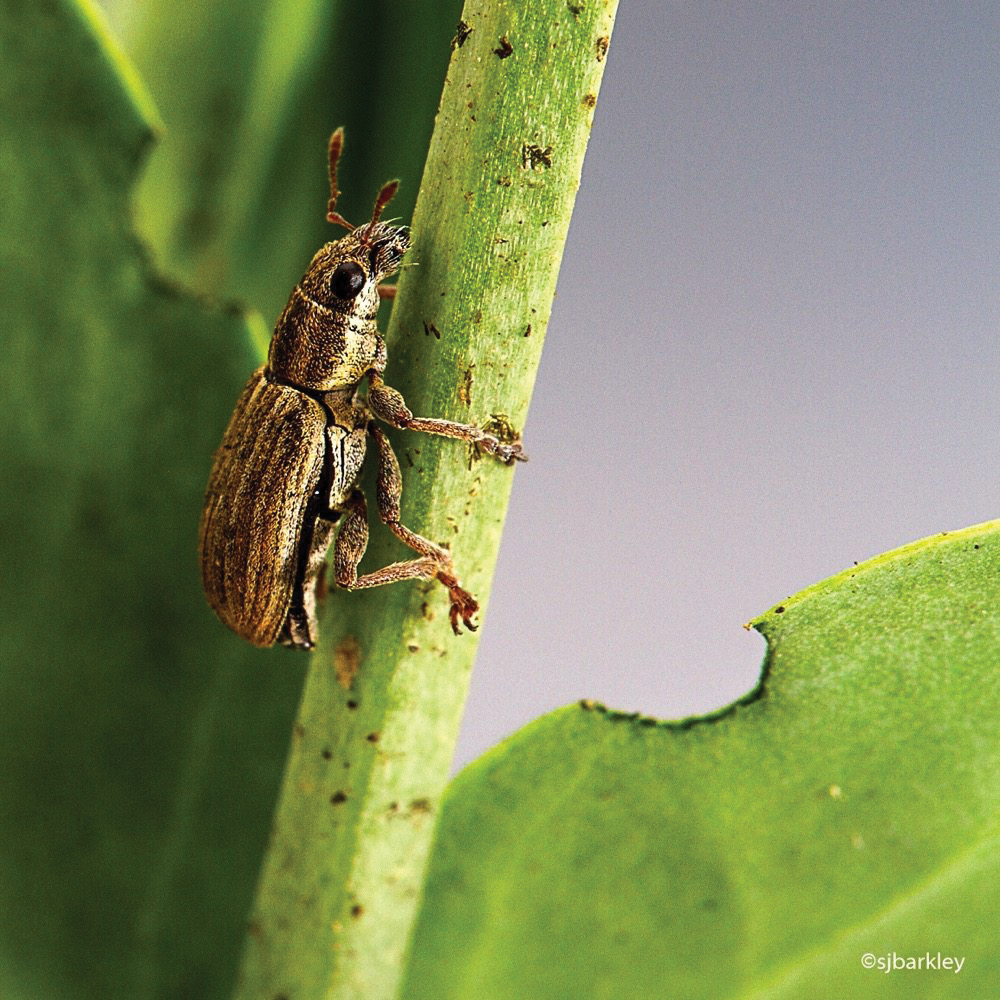
- Appearance: Adult Carrot Weevils are small beetles measuring about 6-7 mm in length. They are typically brown or black with light-colored markings on their bodies.
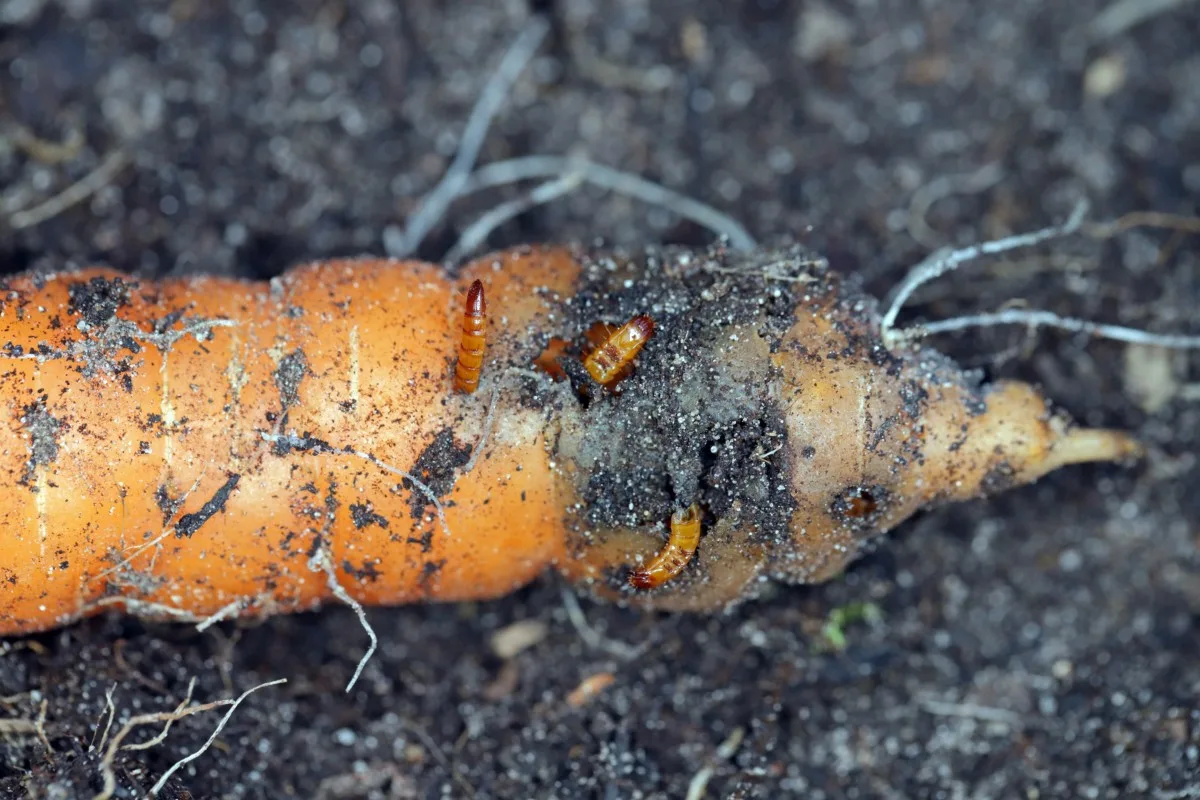
- Life Cycle: Carrot Weevils have a life cycle that includes four stages: egg, larva, pupa, and adult. The adults lay eggs near carrot plants, and the hatched larvae feed on the carrot roots, which can lead to deformed or damaged carrots.
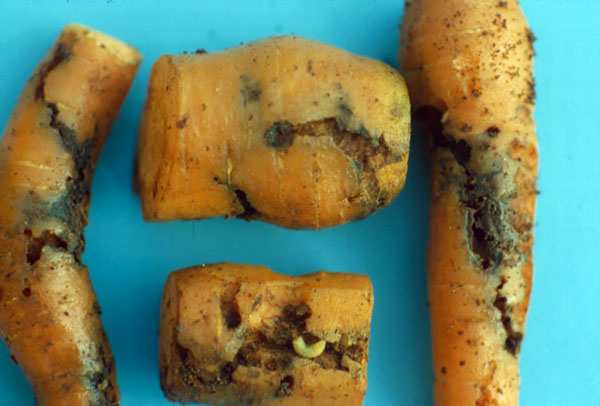
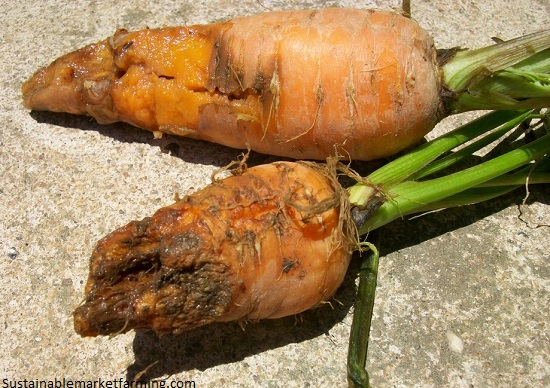
- Damage: The larvae of Carrot Weevils are the most damaging stage. They bore into the carrot roots, causing internal damage that can make the carrots unmarketable. This damage can also allow other pathogens to enter the carrots, further reducing their quality.
- Monitoring and Control: Managing Carrot Weevil infestations can be challenging. Monitoring for the presence of adult weevils, using pheromone traps, and implementing cultural practices like crop rotation can help. Insecticides may also be used, but their effectiveness can be limited.
- Host Plants: While carrots are the primary host for Carrot Weevils, they can also infest other plants in the Apiaceae family, such as parsnips and celery.

To effectively manage Carrot Weevil infestations, it’s important for farmers and gardeners to employ a combination of strategies that may include crop rotation, using pheromone traps, practicing good sanitation, and, if necessary, applying insecticides following recommended guidelines to minimize damage to carrot crops.
Leave a Reply
You must be logged in to post a comment.