
Celery Pest Management: Dealing with Armyworms
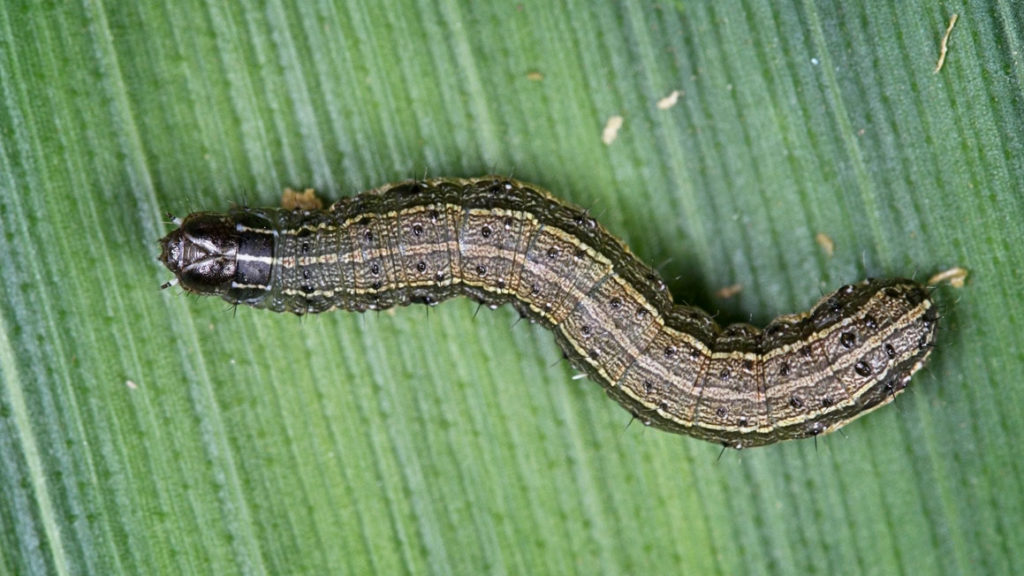
Armyworms are a type of insect larva that belong to the family Noctuidae, which includes various species of moths. These caterpillars are known for their behavior of moving in large groups, resembling an army on the march, which is how they got their name.
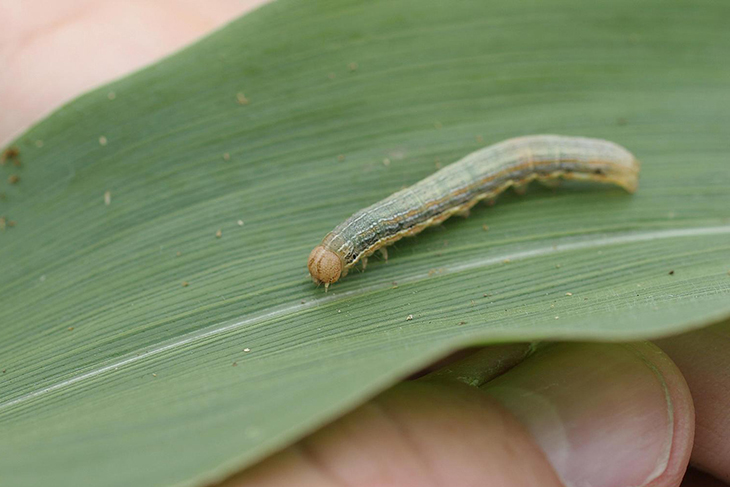
Here are some key characteristics and information about armyworms:
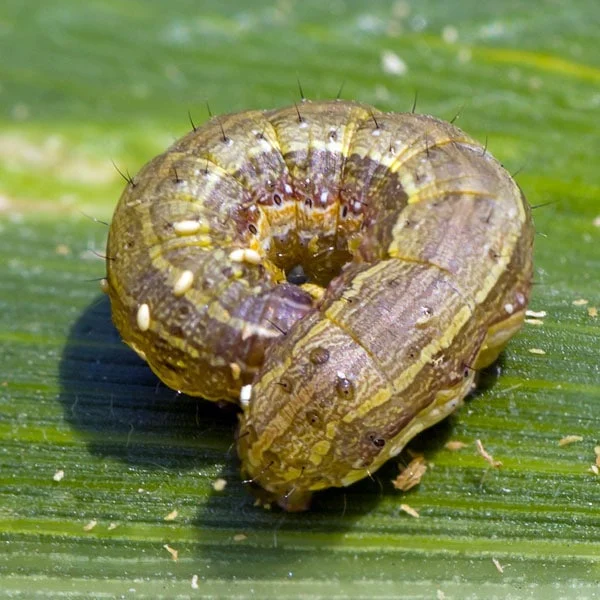
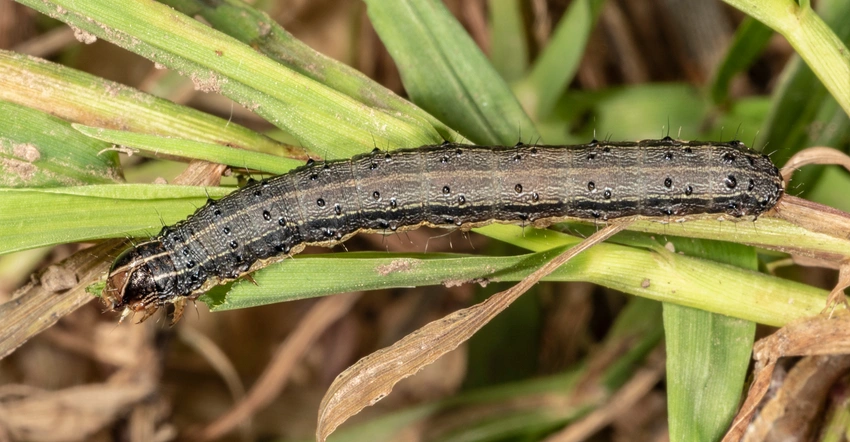
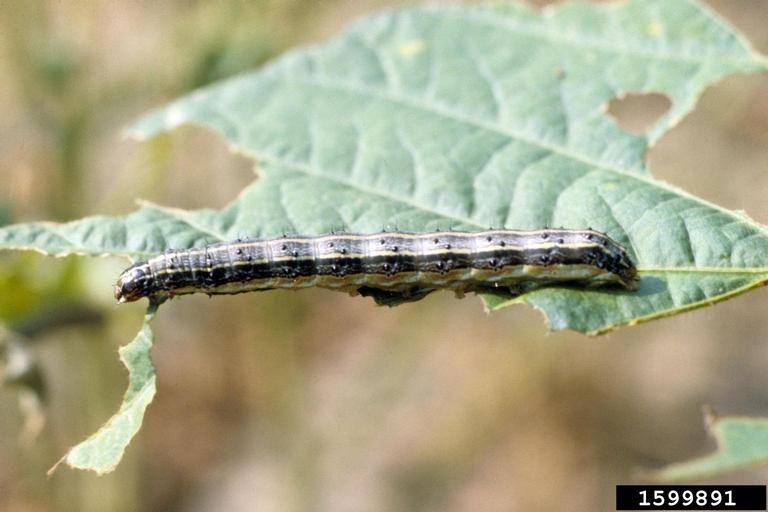
- Appearance: Armyworm caterpillars vary in color and size depending on the species and their stage of development. They can range from green to brownish-gray and often have stripes or patterns on their bodies. They typically have three pairs of true legs at the front of their bodies, followed by several pairs of fleshy, false legs (prolegs) toward the rear.
- Lifecycle: Armyworms go through a complete metamorphic life cycle, which includes four stages: egg, larva (caterpillar), pupa, and adult moth. The caterpillar stage is the most destructive and is known for its feeding habits.
- Feeding Habits: Armyworm caterpillars are voracious feeders and can consume a wide variety of plants, including grasses, cereals, vegetables, and ornamental plants. They can be highly destructive to crops, and their large numbers can lead to significant damage.
- Behavior: As mentioned earlier, armyworms are known for their tendency to move in large groups, resembling an army. This behavior allows them to strip entire fields of vegetation as they march along. They are most active during the night and hide in the soil or plant debris during the day.
- Economic Impact: Armyworm infestations can have a severe economic impact on agriculture, as they can cause crop losses and reduce yields. Farmers often have to take measures to control and manage these pests to protect their crops.
- Control Measures: There are various methods for controlling armyworm infestations, including chemical pesticides, biological control using natural predators and parasites, and cultural practices like crop rotation and planting resistant crop varieties.
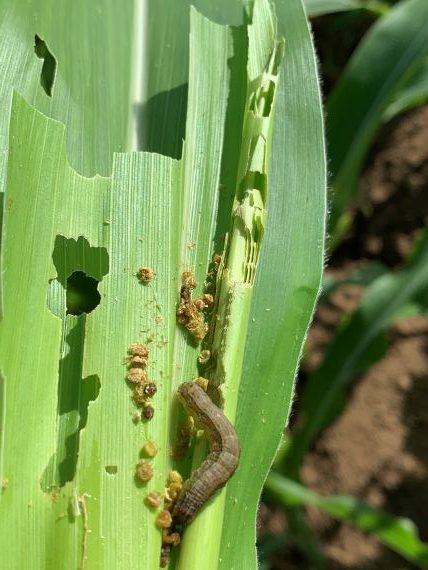
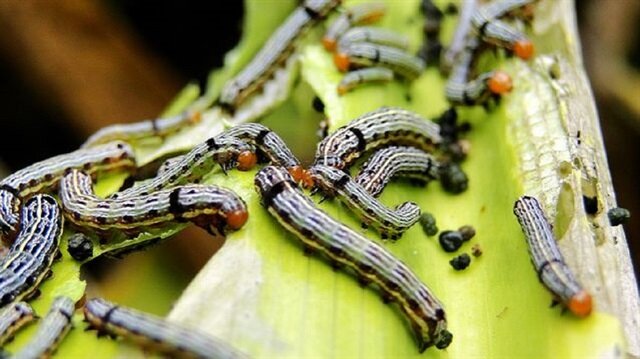

It’s important to note that there are several species of armyworms, and they can be found in different parts of the world. Each species may have slightly different characteristics and preferences in terms of host plants. Effective management of armyworm infestations requires identifying the specific species involved and implementing appropriate control strategies.
Leave a Reply
You must be logged in to post a comment.