
Leafhopper Pests: How to Identify and Treat Them
Leafhoppers are small, sap-feeding insects belonging to the family Cicadellidae within the order Hemiptera. They are named for their characteristic hopping behavior and their preference for feeding on plant sap, particularly from the leaves of various plants. Leafhoppers are found worldwide and are known for their diversity, with thousands of species identified.



Here are some key characteristics and information about leafhoppers:
- Size: Leafhoppers are typically quite small, ranging from 3 to 13 millimeters in length, depending on the species.
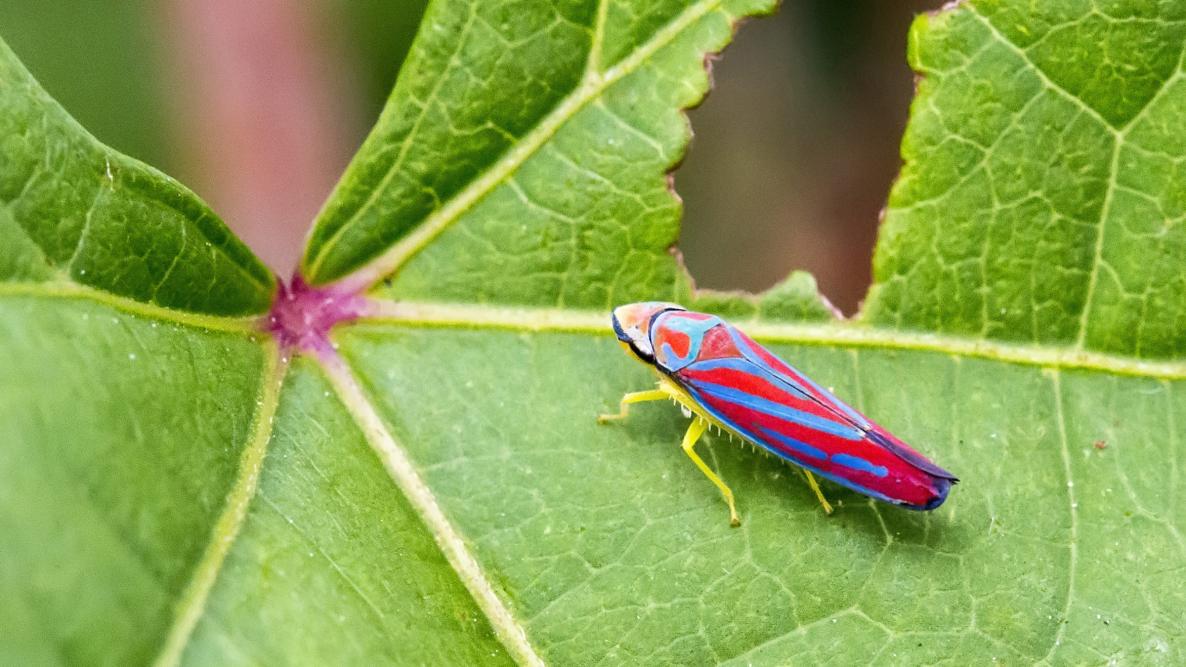
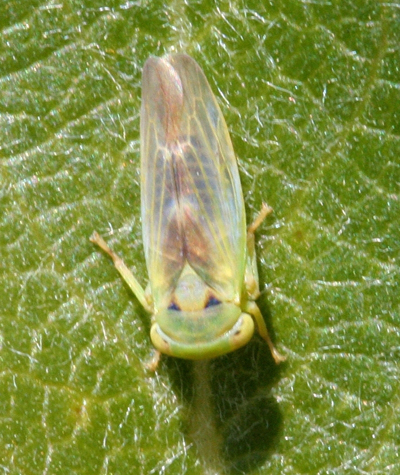
- Appearance: They come in various colors and patterns, often with wedge-shaped bodies. Some have striking coloration, while others are more cryptic and blend in with their surroundings.
- Feeding Habits: Leafhoppers use their piercing-sucking mouthparts to extract sap from plant tissues, primarily leaves, but also stems and other plant parts. As they feed, they can transmit plant pathogens such as viruses and bacteria, which can harm crops and plants.
- Mobility: Leafhoppers are agile insects that can move quickly, both by crawling and hopping. Their jumping ability is aided by a specialized structure called the “resilin pad” on their hind legs.
- Lifecycle: Leafhoppers undergo incomplete metamorphosis, meaning they have three life stages: egg, nymph, and adult. Nymphs resemble miniature versions of adults but lack fully developed wings.
- Ecological Importance: While leafhoppers can be considered pests in agriculture due to their sap-feeding habits and potential for transmitting diseases, they also serve as prey for various predators, including birds, spiders, and predatory insects. They are an essential part of the ecosystem’s food web.
- Economic Impact: Some species of leafhoppers can be economically significant pests in agriculture. They may cause damage to crops by feeding on plant sap and transmitting diseases that affect plants. Farmers often employ various methods, including insecticides, to manage leafhopper populations.
- Diverse Species: There is a wide diversity of leafhopper species, and some are quite specialized in their host plant preferences. This diversity makes them challenging to control in agricultural settings.


In summary, leafhoppers are small insects known for their hopping behavior and their ability to feed on plant sap. While some leafhopper species can be problematic for agriculture, they play a role in the broader ecosystem as both prey and vectors of plant diseases.
Leave a Reply
You must be logged in to post a comment.