
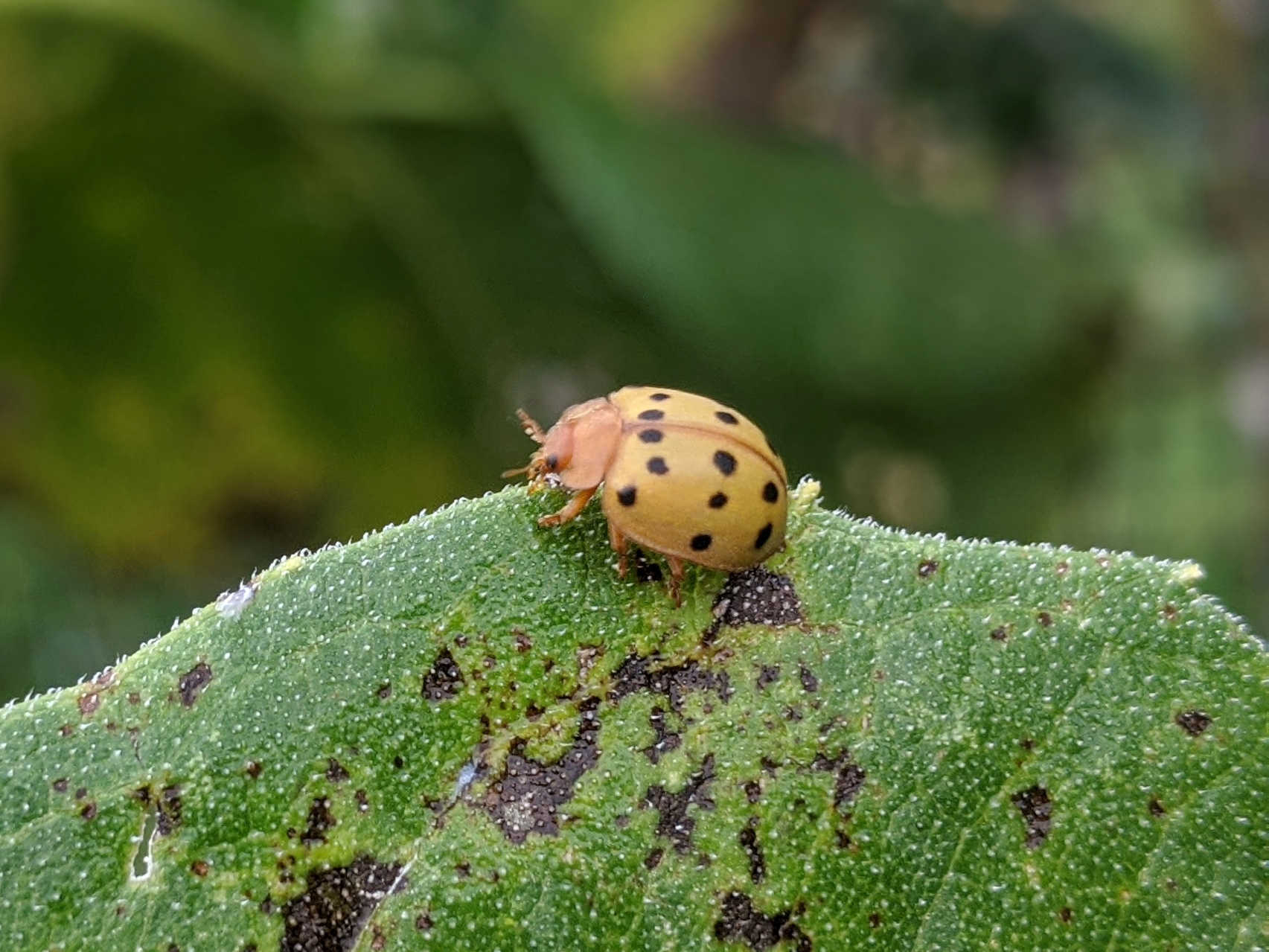
Mexican Bean Beetle: Pest Management
The Mexican bean beetle (Epilachna varivestis) is a pest insect species that is primarily found in North America, particularly in the United States and Mexico. Despite its name, the Mexican bean beetle is not limited to beans; it also feeds on various leguminous plants, including soybeans, peas, and other members of the bean family (Fabaceae). These beetles can cause significant damage to crops by defoliating the plants, which reduces their ability to produce food through photosynthesis.


Key characteristics of Mexican bean beetles include:
- Appearance: Adult Mexican bean beetles are approximately 1/4 inch long and oval-shaped. They have a distinctive orange-yellow color with eight black spots on each wing cover. This coloration often leads to confusion with ladybugs, which are beneficial insects.
- Life Cycle: Mexican bean beetles undergo a complete metamorphosis, including egg, larva, pupa, and adult stages. The larvae are yellow and spiky, with black spots, and they feed voraciously on the undersides of leaves.
- Damage: Both adult and larval Mexican bean beetles feed on the leaves of plants, creating skeletonized leaves with only the veins remaining. This can weaken the plants and reduce their yield.
- Seasonality: Mexican bean beetles are most active during the warmer months, typically from late spring through summer. They overwinter in sheltered locations, such as leaf litter or debris.


Controlling Mexican bean beetles can be challenging, but methods include:
- Hand-picking: Physically removing adult beetles and larvae from the plants can help reduce their numbers.
- Insecticides: Chemical insecticides can be used as a last resort to control Mexican bean beetles, but they should be used judiciously to minimize harm to beneficial insects and the environment.
- Beneficial Insects: Encouraging the presence of natural predators, such as ladybugs and parasitic wasps, can help control Mexican bean beetle populations.
- Crop Rotation: Rotating crops and practicing good garden hygiene can disrupt the beetles’ life cycle and reduce infestations.
- Row Covers: Using row covers can prevent adult beetles from laying eggs on your plants.
It’s essential to monitor your plants regularly for signs of Mexican bean beetle infestations and take appropriate measures to protect your crops if necessary, while also being mindful of the potential environmental impact of control methods.
Leave a Reply
You must be logged in to post a comment.